

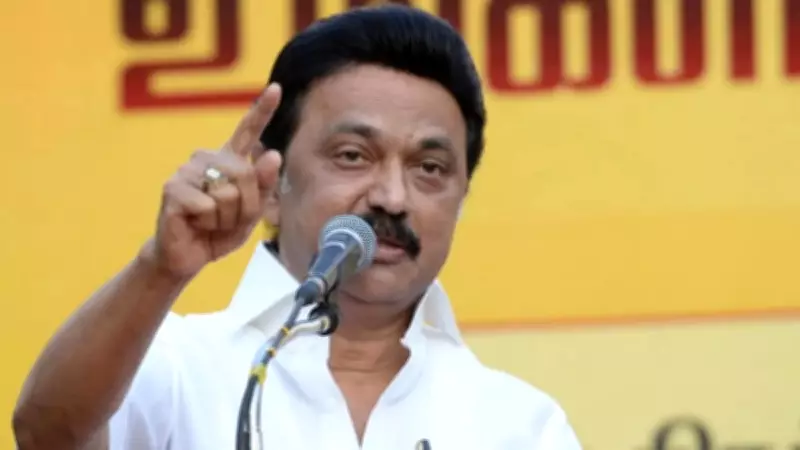
DMK Alliance Expands to 21 Parties as Stalin Adjusts Seat Strategy for 2026
In a significant political development, the DMK-led alliance in Tamil Nadu has expanded to include at least 21 political parties, marking a major consolidation effort ahead of the crucial 2026 Assembly elections. This seven-year-old coalition, spearheaded by Chief Minister M.K. Stalin, is undergoing substantial restructuring as the ruling party makes strategic concessions to strengthen its electoral prospects.
Strategic Seat Allocation and Party Sacrifices
The DMK is demonstrating remarkable flexibility by allocating seats to new alliance partners, even at the cost of reducing the number of constituencies the party itself will contest. This move represents a calculated gamble by Stalin's administration, which appears willing to share political capital to build a broader, more resilient coalition. Political analysts suggest this approach could either signal confident consolidation of support or reveal underlying concerns about potential anti-incumbency factors that might emerge as the election approaches.
Timing and Electoral Implications
The expansion comes at a critical juncture, with the 2026 Tamil Nadu Assembly elections looming on the horizon. By incorporating diverse political entities into its fold, the DMK aims to create a formidable front capable of withstanding opposition challenges. The decision to reduce DMK's own seat count in favor of allies suggests a deliberate strategy to distribute electoral responsibilities and minimize internal competition within the alliance.

Observers note that this coalition-building exercise reflects Stalin's nuanced understanding of Tamil Nadu's complex political landscape, where regional parties and caste-based organizations wield significant influence. The inclusion of multiple partners could help the DMK tap into varied voter bases across the state's diverse demographics.
Broader Political Context
This alliance expansion occurs against the backdrop of evolving political dynamics in Tamil Nadu, where opposition parties are also regrouping and refining their strategies. The DMK's willingness to accommodate new partners while sacrificing its own seat share indicates a pragmatic approach to coalition politics, prioritizing collective strength over individual party dominance.
As the 2026 elections draw nearer, the effectiveness of this expanded alliance will be closely watched. Whether this move represents Stalin's confident consolidation of power or a defensive maneuver against anticipated anti-incumbency remains a subject of intense political debate. The coming months will reveal how this restructured coalition performs in rallying voter support and addressing the state's pressing governance challenges.






