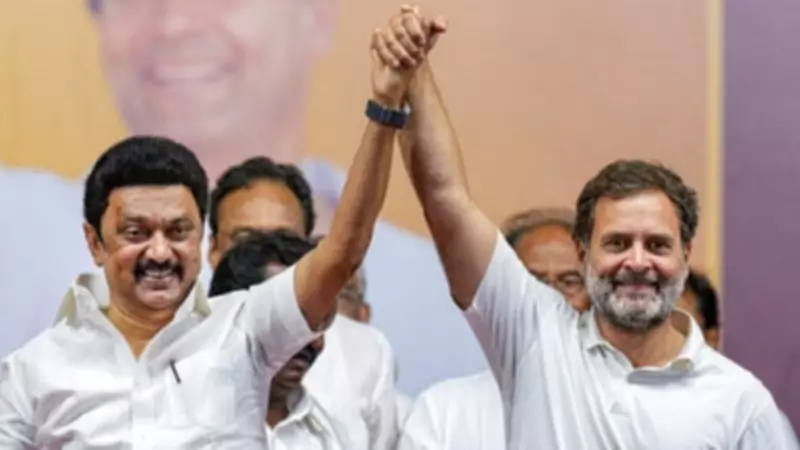
DMK Prepares for 2026 Tamil Nadu Assembly Elections with Alliance Talks
The Dravida Munnetra Kazhagam (DMK) is set to begin crucial seat-sharing negotiations with its political allies next week, as preparations intensify for the upcoming Tamil Nadu Assembly elections in 2026. Party officials have confirmed that these discussions will focus on finalizing constituency allocations among coalition partners, with the DMK leadership expressing optimism about bringing additional parties into the alliance fold to strengthen their electoral prospects.
Congress Seeks Significant Seat Allocation in Negotiations
According to sources within the DMK, the party is prepared to offer the Indian National Congress approximately 27 to 28 assembly seats along with one Rajya Sabha berth during the upcoming negotiations. However, Congress representatives are reportedly planning to advocate for a more substantial allocation, potentially requesting between 35 to 40 seats in the 234-member Tamil Nadu Legislative Assembly. This discrepancy in expectations sets the stage for what could be intensive bargaining sessions between the two long-standing alliance partners.
Strategic Expansion of the DMK-Led Alliance
Senior DMK leaders have emphasized that the forthcoming seat-sharing talks represent more than just numerical allocations. The party aims to use these discussions as an opportunity to broaden their coalition by inviting new political partners to join the alliance. This strategic move is designed to consolidate anti-incumbent votes and present a united front against the ruling party in what is expected to be a highly competitive election.

The timing of these negotiations is particularly significant, as they come well in advance of the actual election cycle, allowing sufficient time for coalition partners to prepare their campaigns and mobilize supporters. Political analysts suggest that early seat-sharing agreements can provide stability to electoral alliances and prevent last-minute disputes that might weaken the coalition's effectiveness.
Historical Context and Electoral Mathematics
Tamil Nadu has a history of complex alliance politics where seat-sharing arrangements often determine electoral outcomes. The DMK-Congress alliance has been a consistent feature of state politics for decades, though the exact number of seats allocated to each party has varied across election cycles based on their respective strengths and bargaining positions.
The 2026 negotiations will need to account for several factors including:
- Changing demographic patterns across constituencies
- Recent electoral performances of alliance partners
- Emergence of new political forces in the state
- Strategic considerations for maximizing seat conversion rates
With the Congress reportedly seeking nearly double the number of seats the DMK is initially offering, these talks will test the resilience of their political partnership. Both parties will need to balance their individual aspirations with the collective goal of securing a majority in the assembly, requiring careful negotiation and compromise.
Broader Implications for Tamil Nadu Politics
These preliminary seat-sharing discussions signal the unofficial beginning of the 2026 election campaign season in Tamil Nadu. The outcomes will not only shape the DMK-led alliance's structure but could also influence how opposing coalitions organize themselves. As one of India's most politically active states, developments in Tamil Nadu often have national implications, particularly given the significant number of parliamentary seats the state contributes.
The DMK's approach of initiating talks more than a year before the anticipated election date demonstrates a proactive strategy to avoid the last-minute alliance troubles that have plagued some political coalitions in the past. By seeking to expand their partnership base while simultaneously negotiating with existing allies, the party appears to be pursuing a dual-track approach to coalition building.

Political observers will be closely monitoring these developments, as the seat-sharing formula eventually agreed upon will offer early indications about the confidence levels within the DMK-led alliance and their assessment of electoral challenges ahead. The negotiations will also reveal how much bargaining power each ally commands within the coalition structure, potentially reshaping internal dynamics even before the actual campaign begins.