In a decisive move, the Dravida Munnetra Kazhagam (DMK) has formally rejected the growing demand from a section of Tamil Nadu Congress leaders for a share in power within the state government. The ruling party has made it clear that Tamil Nadu will continue to be governed by a single-party administration, putting an end to months of speculation and internal alliance debate.
DMK's Firm Stance on Single-Party Rule
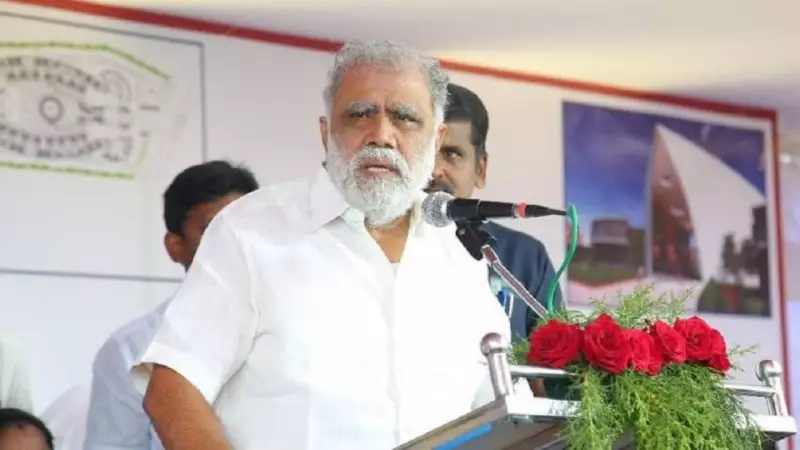
Senior DMK leader and Rural Administration Minister, I Periyasamy, addressed reporters in Dindigul on Sunday, delivering the party's unambiguous position. Periyasamy, who also serves as the DMK deputy general secretary, stated that Tamil Nadu has historically been governed by a single party and this tradition will persist even after the crucial 2026 assembly elections. He acknowledged that Congress leaders were exercising their right by placing the demand but emphasized that Chief Minister M K Stalin was not inclined to accept it.
"Seeking a share in power is their right. But there will be no coalition government here. Tamil Nadu has always had single-party rule. The chief minister is firm on this," Periyasamy declared. This marks the first official and formal rejection by the DMK of a demand that has been gaining traction within the Congress camp for several months.

Internal Divisions and Alliance Dynamics
The remarks come at a time when the chorus for power-sharing has grown louder. Certain sections within the Congress, including MP Manickam Tagore, have argued that no single party can win elections independently in Tamil Nadu and that the time is ripe for a discussion on coalition governments. Tagore had previously stated that the debate was no longer merely about winning power but also about sharing it equitably.
However, the DMK's allies are not united on this issue. While the Congress has been vocal, other significant partners like the VCK, left parties, and the MDMK do not insist on a formal coalition government arrangement. Even within the Congress, there are divergent voices. Tamil Nadu Congress Committee (TNCC) chief K Selvaperunthagai is among those who do not actively press for the power-sharing demand, highlighting internal divisions.
Electoral Success and Future Implications
Despite crediting its alliance partners for successive electoral victories, the DMK has consistently resisted formal power-sharing arrangements. The party's latest statement solidifies its long-standing political strategy for the state. The clear communication from a senior minister like Periyasamy is aimed at settling the issue well ahead of the 2026 polls, ensuring the alliance's focus remains on campaigning rather than internal negotiations.
In a lighter note during his public engagement, Periyasamy also hinted at a "sweet news" for women before the conclusion of the Pongal celebrations. He suggested that as people celebrate Pongal on January 15, 16, and 17, the government would make a pleasant announcement, though he did not elaborate further.
The DMK's firm rejection sets the stage for the future dynamics of the opposition alliance in Tamil Nadu. It underscores the party's confidence in its electoral strategy and its commitment to maintaining the established political structure of the state, where a dominant party leads the government with support from allies.