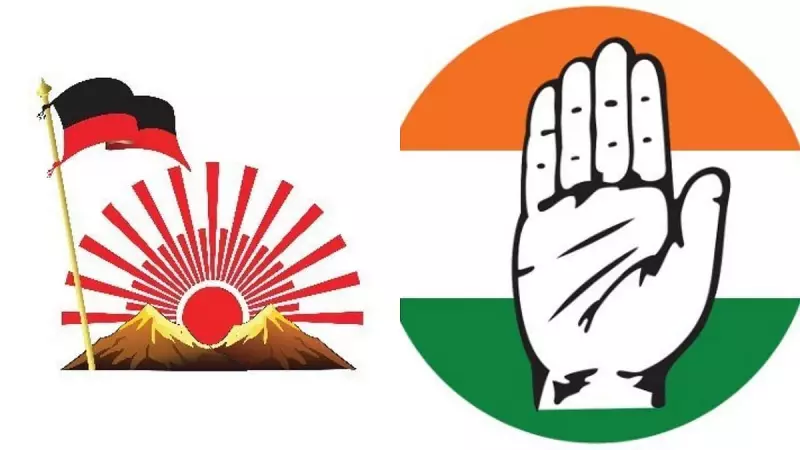
The Dravida Munnetra Kazhagam (DMK) is set to formally kick off negotiations for sharing electoral seats with its alliance partners, a critical process ahead of the upcoming polls. The party will hold its first major discussion with the Indian National Congress on Wednesday, December 3.
Congress Delegation to Meet Stalin with Key Communication
According to sources within the Congress party, the delegation meeting DMK president and Tamil Nadu Chief Minister M.K. Stalin is expected to include significant communication from the party's top leadership. The Congress representatives are likely to present a letter from the party's High Command, which will be handed over to Stalin in a sealed cover during the meeting scheduled for Wednesday morning.
This step marks the official beginning of what are often complex and delicate talks between alliance members. The contents of the sealed letter are anticipated to outline the Congress party's initial stance or formal proposals regarding the number of seats it seeks to contest under the DMK-led front.

Formalizing the Alliance Framework
The meeting on December 3 is a pivotal move to structure the opposition coalition in Tamil Nadu. Seat-sharing agreements are foundational to alliance politics in the state, determining the strength and unity of the front against competitors. The DMK, as the lead party in the alliance, will coordinate these talks with all its partners, starting with the Congress.
The negotiations come at a crucial time as political parties prepare their strategies for the next electoral battle. The outcome of these talks will significantly influence the campaign dynamics and the distribution of resources and efforts across constituencies in Tamil Nadu.
Implications for Tamil Nadu's Political Landscape
Initiating the seat-sharing process early allows the DMK alliance ample time to resolve internal disagreements and present a united face to the electorate. A smooth negotiation with the Congress, a longstanding ally, could set a positive tone for discussions with other smaller parties in the coalition.
Political observers will be closely watching the outcome of the December 3 meeting, as it will signal the level of cohesion and the potential electoral strength of the alliance. Any delays or disputes in these initial talks could have ripple effects on the broader coalition's preparedness.
The DMK's management of these negotiations is seen as a test of its leadership and its ability to hold a diverse alliance together. The party aims to consolidate its position and repeat its past electoral success through a well-managed and agreeable seat-sharing formula.