DMK Leader Questions TVK Chief's Dual Candidacy Strategy
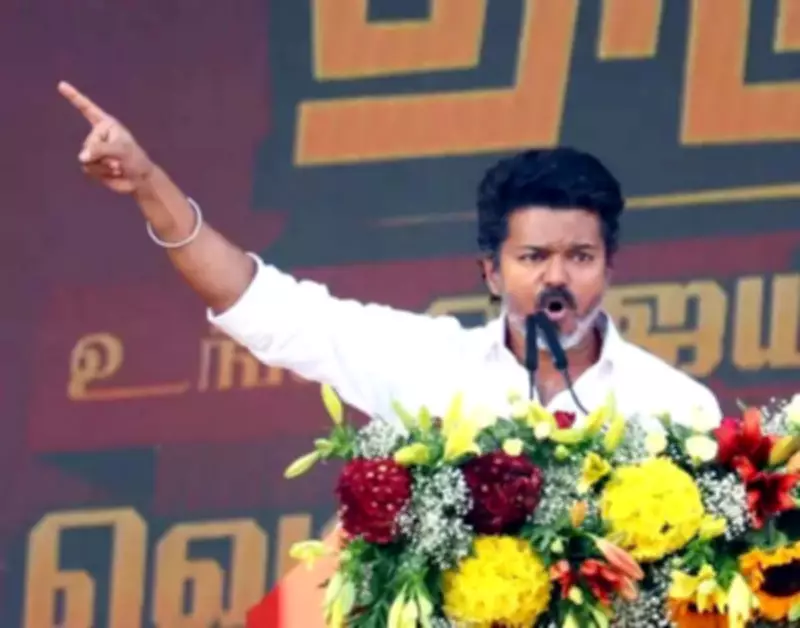
In a pointed political commentary, DMK principal secretary K N Nehru has suggested that Tamilaga Vettri Kazhagam (TVK) chief Vijay's decision to contest from both Perambur and Trichy East constituencies in the upcoming elections likely stems from underlying fear about electoral prospects. Nehru made these remarks on Monday while responding to questions from reporters in Trichy, offering a critical analysis of the opposition candidate's strategic moves.
Historical Context and Electoral Confidence
Nehru drew upon historical electoral data to bolster his party's confidence in the Trichy East constituency. "In the 1977 elections, even though DMK lost in all other constituencies in Trichy, it emerged victorious in Trichy East," he recalled. This historical precedent, according to Nehru, provides the DMK with substantial assurance about maintaining control over this particular seat. "Therefore, we will carry out our election campaign with the absolute confidence that this constituency remains in the DMK fold," he asserted, highlighting the party's determined approach to the upcoming electoral battle.
Constitutional Provisions and Political Strategy
The DMK leader acknowledged the constitutional framework that permits candidates to contest from multiple locations. "The Constitution provides scope for anyone to contest elections from anywhere, and in that spirit, Vijay is also contesting in Trichy East constituency," Nehru stated. However, his remarks subtly framed this legal allowance within the context of what he perceives as Vijay's defensive electoral positioning, implying that the TVK chief's dual candidacy reflects strategic uncertainty rather than mere political ambition.

Manifesto as the Centerpiece of DMK Campaign
Shifting focus to his own party's electoral strategy, Nehru emphasized the importance of the DMK's election manifesto in shaping their campaign narrative. "In the election manifesto, the chief minister has outlined a diverse range of initiatives, including schemes specifically designed for women, the general public, and farmers," he explained. "The manifesto is the hero of our campaign," Nehru declared, positioning policy promises and developmental agendas as the cornerstone of the DMK's appeal to voters, in contrast to what he characterized as the opposition's fear-driven tactics.
The political exchange underscores the intensifying rhetoric as election campaigns gain momentum, with leaders from both major parties articulating their strategies and critiquing opponents' approaches in the crucial electoral battleground of Tamil Nadu.