

DMK's Strategic 10-Seat Deal with DMDK Shakes Up Tamil Nadu Political Landscape
A collective gasp echoed through political circles when the DMK announced the allocation of 10 seats to its ally, the DMDK. This move was particularly surprising given that even the VCK, a long-standing and trusted friend of the DMK, had settled for only eight seats. The astonishment stemmed from the DMDK's recent electoral performance: contesting as an AIADMK ally, it garnered a mere 0.43% of the votes in the 2021 assembly elections.
The Promise That Sealed the Deal
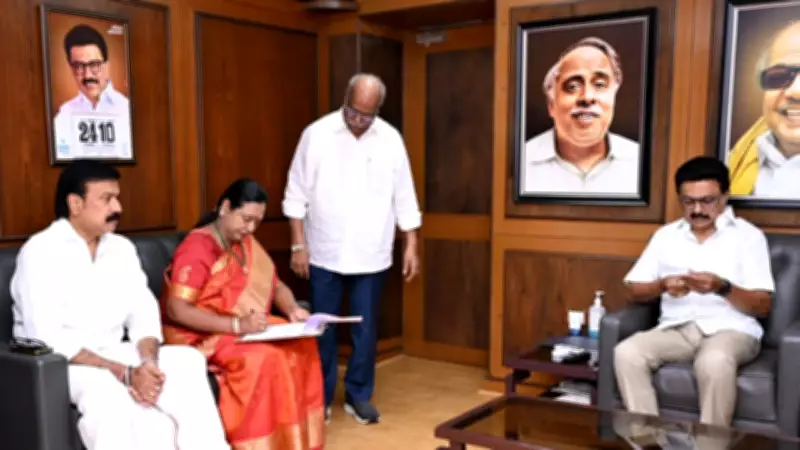
So, why did the DMK offer 10 seats? The agreement was born not out of intense bargaining but from a promise to avoid it altogether. The deal was set in motion when DMK president M K Stalin invited DMDK general secretary Premalatha Vijayakanth to join the alliance. According to a senior DMK leader, Stalin told her, "Ennai nambi vaanga (trust me and come)" late last year. When Premalatha visited Anna Arivalayam on February 19 to secure a Rajya Sabha seat for her brother L K Sudhish, the blueprint for this strategic partnership was already in place.
Behind-the-Scenes Negotiations and Rival Interests
Discussions between the DMK and DMDK began in August 2025, with E V Velu acting as the sole messenger initially, later joined by DMK deputy general secretary Kanimozhi Karunanidhi. Concurrently, the AIADMK was also in talks with the DMDK leadership, highlighting the party's sought-after position in Tamil Nadu politics.

For the DMK, aligning with the DMDK served a dual purpose: it helped counter TVK president Vijay, who had attempted to leverage the legacy of DMDK founder Vijayakanth. Additionally, the DMK recognized that Vijayakanth's influence still resonated with significant sections of the population, even if they hadn't voted for the DMDK posthumously. A DMK source revealed, "We also found that though DMDK's vote share had gone down drastically, the party still commanded some 30,000 booth-level agents."
Another DMK leader noted, "DMDK appeal may not be overwhelming, but it has a presence across the state, unlike PMK whose influence is limited to some regions." Stalin is understood to have consulted district-level functionaries before finalizing the deal with Premalatha, ensuring broad internal support.
Seat-Sharing Dynamics and Electoral Context
Initially, the DMDK sought 18 seats from both the DMK and AIADMK. The AIADMK offered 14 seats, but around the same time, signals from a section of Congress leaders to the TVK prompted the DMK to intensify its efforts to secure the DMDK. The DMK first offered seven, then eight seats, emphasizing winnability. The DMDK reduced its demand to 12, and as Congress held back and Left parties lowered their requests, Premalatha agreed to 10 seats on the DMK side.
In the 2021 assembly election, the DMDK, allied with AMMK after breaking ties with the AIADMK over seat-sharing, secured a 0.43% vote share. It contested 60 seats across Tamil Nadu, with votes ranging from 858 to 25,908, including 10,719 votes in Manapparai. In the 2024 Lok Sabha election, following Vijayakanth's death, the DMDK contested as part of the AIADMK alliance, finishing second or third in all five seats it fought. Vijayakanth's son, Vijaya Prabhakaran, lost in Virudhunagar by a narrow margin of 4,379 votes.
This strategic alliance underscores the DMK's calculated move to bolster its position by tapping into the DMDK's residual influence and organizational strength, setting the stage for a dynamic electoral battle in Tamil Nadu.






