

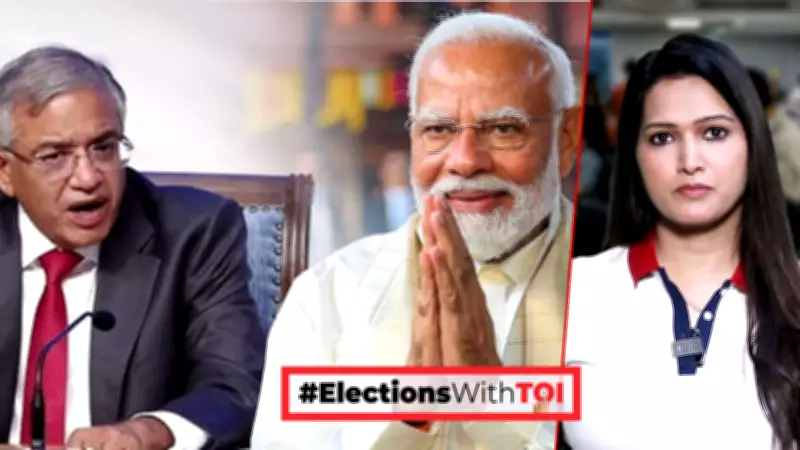
Kerala Election Season Rocked by AI-Generated Video Controversy
A significant political and legal storm has broken out in Kerala as the state navigates a heated election period. The controversy centers on an artificial intelligence-generated video that has prompted the filing of a First Information Report (FIR) and ignited a fierce debate about digital misinformation in democratic processes.
Legal Action and Political Fallout
Authorities have taken swift legal action by registering an FIR in connection with the viral AI video. The content, which allegedly targets key constitutional figures including Prime Minister Narendra Modi and the Election Commission of India, is under intense scrutiny. A broader investigation has been launched to trace the origins of the video and identify those responsible for its creation and widespread circulation on social media platforms.
Law enforcement agencies have officially flagged the video as misleading and potentially harmful, particularly given its timing during the sensitive election season. The case has raised serious questions about the adequacy of current legal frameworks to address technologically advanced forms of election interference.

The Deepfake Dilemma in Elections
This incident highlights the growing challenge posed by sophisticated deepfake technology in electoral contexts. As AI tools become more accessible and convincing, the ability to distinguish authentic content from fabricated material is becoming increasingly difficult for both authorities and the general public.
The Kerala controversy underscores how digital misinformation can translate into real-world consequences, potentially influencing voter perception and undermining trust in democratic institutions. Election officials have expressed particular concern about the targeted nature of the content and its potential to manipulate public opinion during a critical political period.
Social Media Platforms Under Scrutiny
The case has brought renewed attention to the role of social media companies in controlling the spread of manipulated content. Questions are being raised about:
- The effectiveness of platform content moderation policies
- The speed of response to flagged election-related misinformation
- Collaboration between tech companies and election authorities
- Technical capabilities to detect and remove AI-generated content
With strict warnings issued against sharing unverified content, the focus has shifted to ensuring that social media does not become a vector for electoral manipulation.
Protecting Electoral Integrity
Election authorities in Kerala have emphasized the importance of maintaining the integrity of the electoral process amid these technological challenges. Several measures are being considered or implemented:
- Enhanced monitoring of digital platforms for election-related content
- Public awareness campaigns about identifying manipulated media
- Strengthened coordination between law enforcement and election bodies
- Potential regulatory frameworks for AI-generated political content
The incident serves as a stark reminder of how election battles are evolving in the digital age, where traditional campaigning now intersects with advanced technological manipulation. As investigations continue, the case is likely to influence discussions about election laws, digital regulation, and the fundamental right to accurate information in democratic processes.






