West Bengal Elections 2026: EC's Bureaucratic Overhaul Ignites Political Firestorm
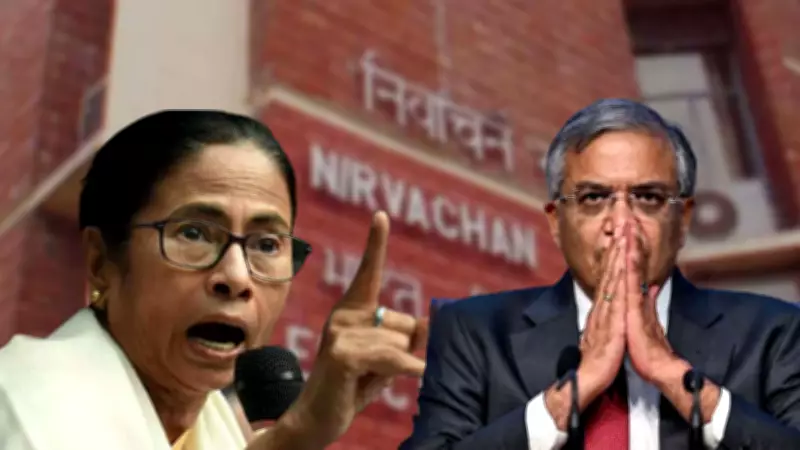
In a dramatic move that has sent shockwaves through the political landscape of West Bengal, the Election Commission of India has executed a sweeping bureaucratic reshuffle, replacing the state's top bureaucrats and police leadership within a mere 24 hours of announcing the election dates for the 2026 assembly polls. This unprecedented action has sparked a sharp and escalating confrontation between the ruling Trinamool Congress (TMC) and the opposition Bharatiya Janata Party (BJP), fundamentally altering the electoral narrative and setting the stage for a high-voltage contest in the state.
Sudden Reshuffle Triggers Immediate Political Backlash
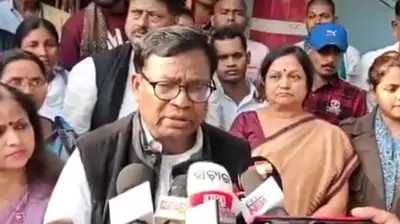
The Election Commission's decision, characterized by its swiftness and scale, has drawn polarized reactions from the major political players. The TMC has raised serious questions about the timing and necessity of the sudden overhaul, expressing concerns over potential disruptions to governance and administrative continuity during the critical pre-election period. In contrast, BJP leaders, including Union Minister Sukanta Majumdar, have wholeheartedly praised the move, alleging deep-seated bias and inefficiency in the previous bureaucratic setup. Majumdar and other BJP figures have argued that the reshuffle was essential to ensure a free and fair electoral process, claiming that the old administration was compromised and favored the incumbent TMC government.
EC's Proactive Measures and Broader Implications
Beyond the immediate reshuffle, the Election Commission has taken additional proactive steps to manage the volatile political environment in West Bengal. The EC has sought detailed reports on violence-prone areas across the state, indicating a heightened focus on maintaining law and order during the election campaign. Furthermore, the commission has hinted at the possibility of further administrative changes, suggesting that this initial reshuffle may only be the beginning of a broader intervention aimed at ensuring electoral integrity. These measures have reshaped the political discourse, with both parties now recalibrating their strategies in response to the EC's assertive stance.
Setting the Stage for a High-Stakes Electoral Battle
The bureaucratic overhaul has effectively set the stage for a fiercely contested election in West Bengal, with the TMC and BJP locked in a battle not just for votes but also over the legitimacy of the electoral framework itself. The TMC's criticism of the EC's actions as politically motivated contrasts sharply with the BJP's endorsement of them as necessary corrections. This clash underscores the deep political divisions in the state and highlights the central role that administrative neutrality will play in the upcoming polls. As the election dates approach, the reshuffle has become a focal point of debate, with implications for voter perception, campaign dynamics, and ultimately, the outcome of the 2026 assembly elections.
In summary, the Election Commission's rapid bureaucratic reshuffle in West Bengal has ignited a full-blown political battle between the TMC and BJP, with both sides leveraging the issue to galvanize their bases and shape the electoral narrative. With the EC continuing to monitor the situation closely and hinting at further interventions, the political landscape in Bengal remains highly charged, promising a contentious and closely watched election season ahead.