Ernakulam Assembly Election 2026: A Detailed Constituency Profile
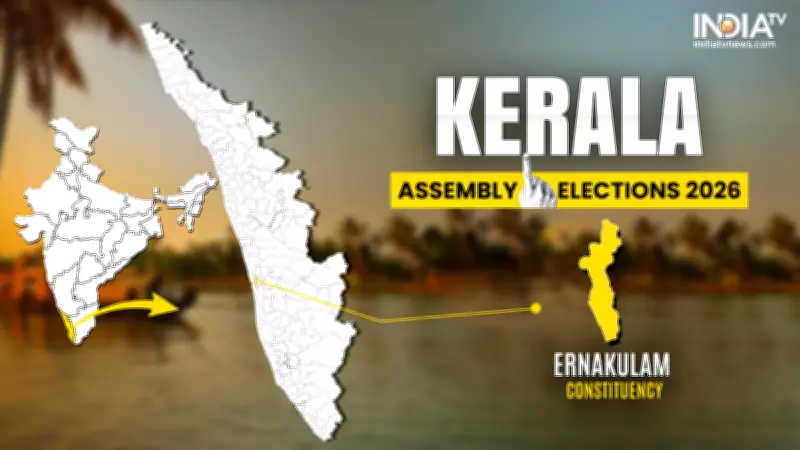
As the 2026 Kerala Assembly elections approach, the Ernakulam constituency emerges as a critical battleground in the state's political landscape. Located in the heart of Kochi, this urban seat holds significant sway due to its economic importance and diverse voter base. This article provides an in-depth analysis of the constituency's profile, historical performance, and anticipated party strategies for the upcoming electoral contest.
Constituency Overview and Demographic Significance
Ernakulam is a key Assembly constituency within the Ernakulam district, encompassing parts of Kochi city. It is characterized by a mix of residential, commercial, and industrial areas, contributing to its status as an economic hub. The electorate comprises a blend of urban professionals, business communities, and service sector workers, with issues such as infrastructure development, employment, and urban governance often dominating the political discourse.
Past Winners and Electoral History
The constituency has witnessed competitive elections over the years, with outcomes reflecting broader political trends in Kerala. In the 2021 Assembly elections, the Indian National Congress (INC) candidate secured victory, continuing the party's stronghold in this region. Previous elections have seen close contests, with victory margins typically ranging from a few thousand to over ten thousand votes, indicating a politically engaged and dynamic voter base.
Historical data shows that the constituency has alternated between major parties, including the INC and the Communist Party of India (Marxist) [CPI(M)], with occasional strong performances from other regional players. This volatility underscores the importance of effective campaigning and local issues in swaying voter sentiment.
Analysis of Victory Margins
Victory margins in Ernakulam have varied significantly across election cycles, influenced by factors such as anti-incumbency, national political waves, and candidate popularity. For instance, in the 2016 elections, the margin was relatively narrow, highlighting the constituency's competitive nature. In contrast, the 2021 elections saw a more decisive win, attributed to strategic alliances and focused voter outreach by the winning party.
Key elements affecting margins include:
- Urban Voter Preferences: The educated and economically diverse electorate often bases decisions on governance performance and development promises.
- Local Issues: Matters like traffic management, waste disposal, and healthcare infrastructure play a crucial role in shaping electoral outcomes.
- Party Campaigns: Intensive door-to-door campaigns and digital outreach have become increasingly vital in this tech-savvy constituency.
Party-Wise Candidates and Strategic Outlook for 2026
As the 2026 elections draw nearer, major political parties are expected to field strong candidates to capture this pivotal seat. The Indian National Congress is likely to nominate a seasoned leader with local connect, aiming to retain its influence. The CPI(M) may opt for a candidate with a strong grassroots presence to challenge the incumbent, while the Bharatiya Janata Party (BJP) could focus on expanding its base through a prominent local figure.
Potential candidate strategies include:
- Incumbent Advantage: The sitting MLA might leverage development projects and constituency service to seek re-election.
- Opposition Unity: Anti-incumbency forces could lead to strategic alliances among opposition parties to consolidate votes.
- Youth Outreach: With a significant young voter population, parties may emphasize digital campaigns and youth-centric policies.
Conclusion: Key Factors Shaping the 2026 Election
The Ernakulam Assembly constituency is poised for a highly contested election in 2026, with past trends suggesting a tight race. Voter turnout, candidate selection, and local issue management will be decisive in determining the outcome. As parties finalize their strategies, this constituency remains a microcosm of Kerala's broader political dynamics, reflecting the state's complex electoral fabric.