Former West Bengal DGP Rajeev Kumar Nominated for Rajya Sabha by TMC
The political landscape of West Bengal has been stirred by the nomination of former Director General of Police (DGP) Rajeev Kumar as a candidate for the Rajya Sabha by the ruling Trinamool Congress (TMC). This move has ignited a fiery debate, with opposition leaders questioning the motives behind the selection.
Dilip Ghosh's Controversial Remarks on Kumar's Candidature
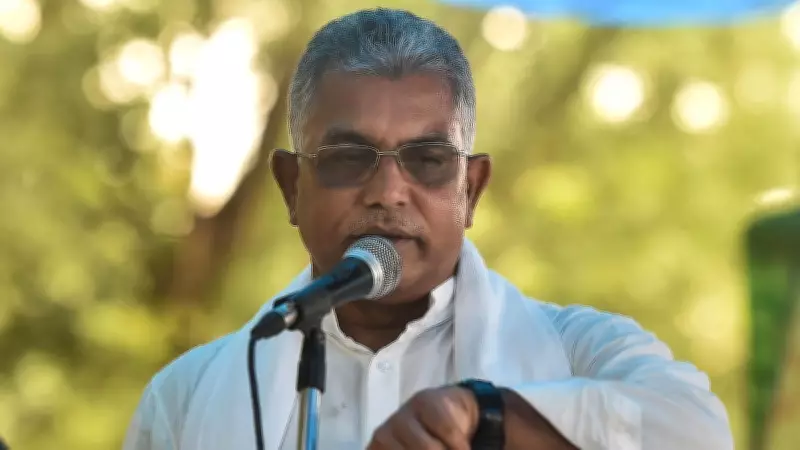
Bharatiya Janata Party (BJP) leader Dilip Ghosh has been vocal in his criticism, suggesting that Kumar's nomination is a direct reward for his unwavering support to Chief Minister Mamata Banerjee during her times of crisis. Ghosh implied that Kumar's loyalty during challenging periods for the state government has been acknowledged through this political appointment.
Ghosh stated, "It is up to the TMC who it will field as a nominee for the polls to the Upper House of Parliament." However, his comments have been interpreted as highlighting a pattern of political patronage, where key figures are rewarded for their allegiance rather than their public service record.
Background of Rajeev Kumar's Career and Retirement
Rajeev Kumar retired from his position as the state's DGP on January 31, 2026, after a long and often controversial tenure in the police force. His career has been marked by high-profile cases and close association with the state administration, making his transition into politics a subject of intense scrutiny.
The nomination comes at a time when West Bengal is gearing up for Rajya Sabha elections, which are crucial for shaping legislative agendas at the national level. The TMC's decision to field Kumar is seen as a strategic move to consolidate its influence in the Upper House, leveraging his administrative experience and political connections.
Political Implications and Reactions
This development has broader implications for West Bengal's political dynamics:
- Strengthening TMC's Position: By nominating a former top cop, the TMC aims to reinforce its control over state narratives and ensure loyal representation in Parliament.
- Opposition Criticism: The BJP and other opposition parties have seized upon this to accuse the TMC of blurring lines between bureaucracy and politics, potentially undermining democratic norms.
- Public Perception: Citizens and political analysts are closely watching how this move affects governance and police impartiality in the state.
As the Rajya Sabha polls approach, the controversy surrounding Kumar's candidature is expected to intensify, with debates likely to focus on the ethics of post-retirement political appointments and the role of civil servants in partisan politics.