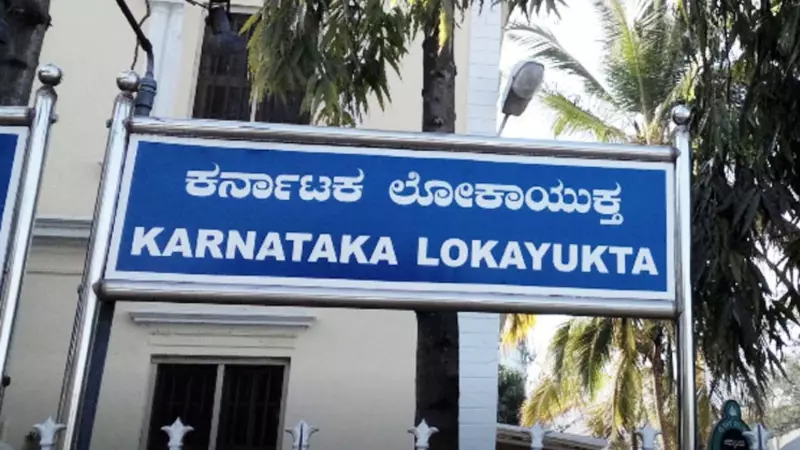
In a significant development in the Mysore Urban Development Authority (MUDA) land allotment scandal, a special court in Karnataka has granted the Lokayukta police a single day's custody of the authority's former chairman, G T Dinesh Kumar. The custodial interrogation, sanctioned on Tuesday, aims to deepen the probe into allegations of corrupt land allotments made in 2021 to the family of Chief Minister Siddaramaiah.
Court Grants Custody Amidst Mounting Evidence
The special court, which handles cases involving elected representatives, approved the one-day police custody after noting that incriminating materials had been found against Dinesh Kumar. The former MUDA chief is currently lodged in prison following his arrest by the Enforcement Directorate (ED) in September in a connected money laundering case.
The court observed that the investigation required Kumar's custodial interrogation to proceed. "Perused the requisition and also the case diary and it is noticed from records that certain incriminating materials are found, which require to be investigated," the court stated. This move follows a directive from the same court on October 9, which had asked the Lokayukta police to complete its investigation within two months.
The Core Allegations and the RTI Activist's Complaint
The case stems from a private complaint filed by RTI activist Snehamayi Krishna. The complaint alleges large-scale corruption in the allotment of 14 prime housing sites by MUDA in 2021 to Chief Minister Siddaramaiah's wife, Parvathi Siddaramaiah.
The activist alleged that these sites were allotted in exchange for a 3.16-acre property in Mysuru that was allegedly wrongfully acquired by MUDA. Krishna further claimed that this transaction resulted in a wrongful gain of approximately Rs 56 crore for the Chief Minister's family. Following the controversy, Siddaramaiah's wife returned all 14 sites to MUDA last year.
A Tangled Web: Lokayukta Report, ED Probe, and Legal Challenges
The investigation has seen several twists. The Lokayukta police had initially filed a closure report, or 'B' report, in February 2025, citing a lack of evidence to substantiate the allegations. However, in April 2025, the special court put its decision on accepting this report on hold.
Simultaneously, the court permitted the Lokayukta police to continue its probe and also allowed the Enforcement Directorate to proceed with its separate money laundering investigation. The ED had filed a protest petition against the Lokayukta's closure report and has been actively investigating the case under the Prevention of Money Laundering Act (PMLA).
On November 14, the ED filed a prosecution complaint against Dinesh Kumar, stating that evidence indicated his "active involvement in the comprehensive money laundering scheme perpetrated at MUDA, Mysuru, during his tenure as commissioner." The agency outlined a modus operandi involving the identification of ineligible beneficiaries, use of fake documents, violation of government orders, and back-dating of allotment letters.
The ED alleges that bribes received for these illegal allotments were routed through a cooperative society and bank accounts of Kumar's relatives or associates, and were later used to purchase some of the illegally allotted sites in their names. In response, Dinesh Kumar has moved the Karnataka High Court to challenge the ED's case against him.
With the Lokayukta police now having secured custodial access to a key accused, the probe into one of Karnataka's most politically sensitive land scandals is poised to enter a crucial phase.