Centre Sanctions Prosecution of Former Punjab Chief Secretary in Corruption Case
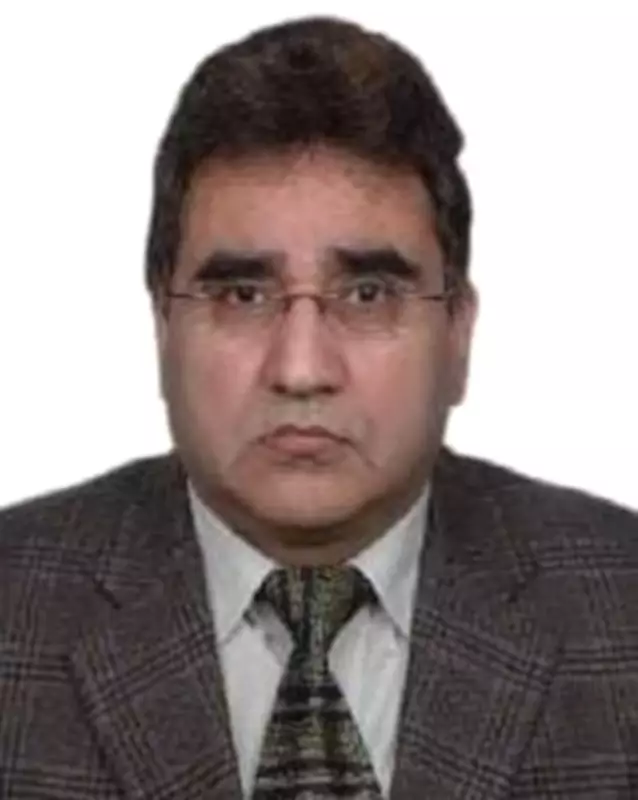
In a major development in Punjab's ongoing battle against corruption, the Central government has officially approved the prosecution of former Chief Secretary Karan Avtar Singh Janjua in a graft case. This decision, which follows a thorough review of the evidence, paves the way for legal proceedings against the retired senior bureaucrat, who held one of the state's highest administrative positions.
Details of the Graft Allegations
The case against Janjua revolves around allegations of financial misconduct and abuse of power during his tenure. According to sources, the charges include irregularities in government contracts and misuse of official resources, which are said to have caused significant losses to the state exchequer. The prosecution sanction from the Centre is a critical step, as it allows investigative agencies to move forward with filing charges in court, ensuring that the case is not stalled due to bureaucratic hurdles.
Implications for Punjab's Governance
This move is seen as a strong signal from the authorities about their commitment to tackling corruption at all levels, including the highest echelons of the state administration. It underscores a zero-tolerance policy towards graft, which has been a persistent issue in Punjab's political and administrative landscape. The prosecution of a former chief secretary, a position synonymous with authority and trust, is expected to have far-reaching consequences, potentially deterring future misconduct and restoring public confidence in governance.

Legal experts have welcomed the Centre's decision, noting that it reinforces the rule of law and accountability in public service. Politically, this development has sparked discussions across party lines, with many viewing it as a test of the government's resolve to clean up the system. However, some critics have raised concerns about the timing and potential political motivations, urging that the process remain transparent and impartial to ensure justice is served without bias.
Next Steps in the CaseWith the prosecution sanction now in place, the next phase involves formal charges being filed in a competent court. Investigative agencies are expected to present their evidence, including documents and witness testimonies, to build a robust case. Janjua, who has denied any wrongdoing in the past, will have the opportunity to defend himself in legal proceedings. The outcome of this case could set a precedent for how similar graft allegations against high-ranking officials are handled in the future.
This case highlights the ongoing efforts to combat corruption in India, particularly in states like Punjab where such issues have often made headlines. As the legal process unfolds, it will be closely watched by stakeholders, including the public, media, and anti-corruption activists, who are keen to see accountability prevail.