

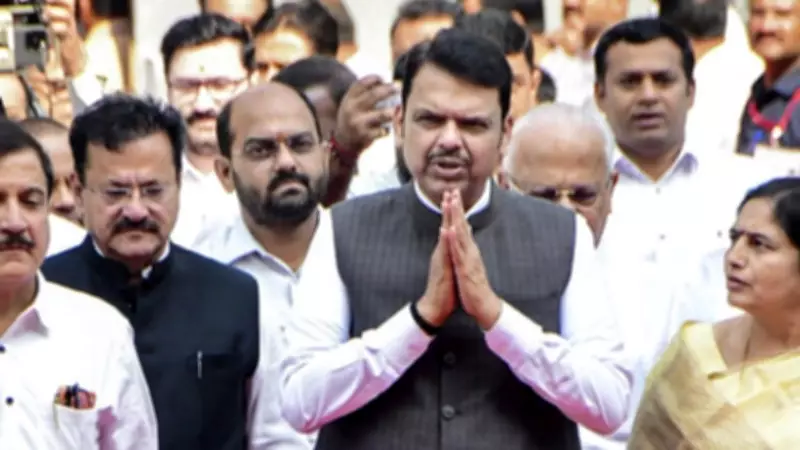
Fadnavis Lauds Ajit Pawar as Maharashtra's 'Lost' Chief Ministerial Talent
In a remarkable display of political camaraderie, Maharashtra Deputy Chief Minister Devendra Fadnavis delivered a heartfelt tribute to his coalition partner, Ajit Pawar, during the inaugural day of the state legislature's budget session. Fadnavis, a senior Bharatiya Janata Party leader, made headlines with his poignant statement that Pawar represented "the best chief minister Maharashtra never had."
A Towering Leader and Administrator
Addressing the assembly on February 23, 2026, Fadnavis emphasized that Maharashtra had suffered a significant loss by not having Pawar serve as its chief minister. He described Pawar as a towering leader and administrator whose potential contributions to the state's governance remained unrealized in the top executive role.
The tribute, which was widely covered by media outlets including PTI, highlighted the evolving dynamics within Maharashtra's political landscape. Fadnavis's words underscored a deep respect for Pawar's administrative acumen and leadership qualities, transcending typical partisan boundaries.

Context of the Budget Session Tribute
The assembly session, which marks the beginning of the crucial budget deliberations, provided a formal platform for this notable acknowledgment. Observers noted that such public praise between coalition partners, especially from figures of Fadnavis's stature, is relatively uncommon in Indian politics.
Fadnavis's statement has sparked considerable discussion among political analysts and the public alike, with many interpreting it as:
- A genuine appreciation of Pawar's capabilities
- A strategic move to strengthen coalition unity
- A reflection of Pawar's influential role in state politics despite never holding the CM office
Political Implications and Reactions
This public endorsement comes at a time when Maharashtra's political alliances are under close scrutiny. Pawar, a senior Nationalist Congress Party leader and current Deputy Chief Minister alongside Fadnavis, has long been considered a powerful figure in the state's administration.
The tribute raises interesting questions about alternative political histories and the "what if" scenarios that often surround prominent political figures. Fadnavis's characterization suggests that Pawar possessed all the necessary qualities for successful chief ministerial leadership, making his absence from that particular office a notable loss for the state.
As the budget session progresses, political observers will be watching closely to see how this public acknowledgment influences the working relationship between the two deputy chief ministers and their respective parties. The tribute stands as a significant moment in Maharashtra's contemporary political narrative, highlighting both respect between leaders and the complex realities of coalition politics.






