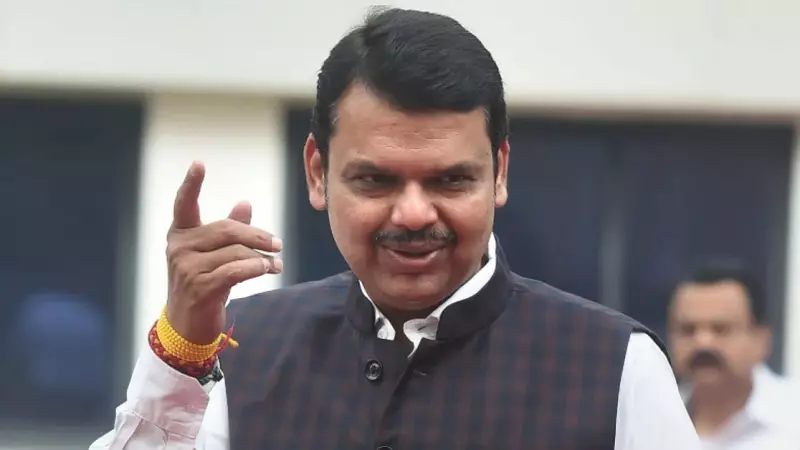
Maharashtra Chief Minister Devendra Fadnavis made a candid revelation at the Marathi Sahitya Sammelan (Marathi Literary Conference), stating he was frequently engaged in phone calls to convince rebels in the upcoming civic polls to withdraw their nominations. The incident highlights the intense political maneuvering happening behind the scenes even during cultural events.
Juggling Political Crisis and Cultural Duty
While attending the prestigious literary gathering, Chief Minister Fadnavis found himself multitasking between his cultural responsibilities and pressing political work. He openly admitted that he was often on his mobile phone, actively communicating with party members and independent candidates who had filed nominations against the official party line for the local body elections.
The primary goal of these calls, as revealed by the CM, was to persuade these civic poll rebels to step back and withdraw their candidacies. This is a common yet critical strategy for political parties to avoid splitting the vote and to ensure a direct contest against rival factions.
Attention Divided Between Speeches and Strategy
Despite being preoccupied with the political crisis, Devendra Fadnavis asserted that he was also paying close attention to the speeches and proceedings of the Marathi Sahitya Sammelan. The event, a significant platform for Marathi language and literature, was underway, and the Chief Minister was present in his capacity as a state dignitary.
This balancing act between a high-profile cultural commitment and urgent party management underscores the relentless nature of political life, especially in the heated run-up to elections. The episode occurred on January 2, 2026, as confirmed by the news agency PTI.
The Bigger Picture: Maharashtra's Political Landscape
This revelation is not an isolated event but a snapshot of the continuous political engagement required to maintain cohesion within a party. Local body or civic polls are often fiercely contested, and managing dissent is a top priority for leadership to secure electoral success.
Fadnavis's admission provides a rare, transparent look into the real-time challenges faced by a sitting Maharashtra Chief Minister. It shows that political strategy sessions can happen anywhere, from party offices to the sidelines of literary conferences, demonstrating the ever-present nature of governance and party politics in the state.
The incident confirms that for top political leaders, their duty is a round-the-clock engagement, where moments of cultural or public interaction are often intertwined with the pressing demands of political management and electoral strategy.