Maharashtra Chief Minister Counters Pawar's Allegations on Warkari Sect
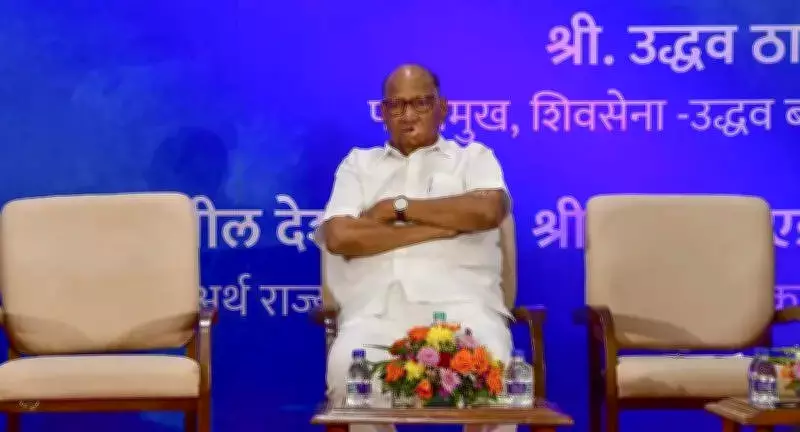
In a sharp political exchange, Maharashtra Chief Minister Devendra Fadnavis on Saturday strongly refuted claims made by NCP (SP) chief Sharad Pawar regarding the infiltration of regressive ideologies into the Warkari sect. Fadnavis asserted that the Warkari community has already identified and disowned such elements, including individuals with alleged urban Naxal links.
Pawar's Controversial Interview Sparks Debate
The controversy erupted after Sharad Pawar, in an interview published in a souvenir for the first Marathi literary conference of women administrative officers in Delhi, claimed that followers of regressive ideology are intruding into the Warkari sect. Pawar stated that approximately 60% of speakers from the sect are making statements that benefit fanatics, while only 40% continue to spread progressive thoughts through traditional kirtans and speeches.
"The Warkari sect has a long tradition of promoting thoughts of progressiveness and equality," Pawar mentioned in the interview. "However, the followers of regressive ideology are intruding in the sect. Another 60% of the speakers are speaking the language favouring fanatics."

Pawar further revealed that his party is preparing a list of such regressive followers within the Warkari community, adding significant political weight to his allegations.
Fadnavis's Forceful Rebuttal
Responding to Pawar's claims during media interactions in Delhi, Chief Minister Fadnavis expressed disappointment and labeled the NCP (SP) chief's statements as completely incorrect.
"Sharad Pawar was in alignment with the ideology of the Warkari sect," Fadnavis stated. "He and his supporters spread a movement promoting non-religious thoughts and therefore, he might not be having correct information about the Warkari sect."
The Chief Minister emphasized the sect's rich heritage, noting that the tradition of the Warkari sect is more than 1,000 years old and has consistently spread messages of faith, brotherhood, and purity of mind.
Historical Context and Current Concerns
Fadnavis acknowledged that in the past, some individuals with ideologies contrary to Warkari traditions had attempted to infiltrate the community. However, he stressed that such people were fortunately identified and disowned by the sect itself, demonstrating the community's resilience and commitment to its core values.
In a significant revelation, the Chief Minister disclosed that he already possesses a dossier containing information about some people with urban Naxal links who had attempted to influence the sect. This statement adds a serious security dimension to the political discussion, connecting internal sect dynamics with broader national security concerns.
Political Implications and Sect Integrity
The exchange between two of Maharashtra's most prominent political leaders highlights several important issues:
- The Warkari sect's historical role in promoting progressive social values
- Contemporary challenges facing traditional religious communities
- The intersection of politics, religion, and security concerns
- Differing perspectives on social change and tradition preservation
Fadnavis's comments suggest that while external threats to the sect's integrity have existed, the community has demonstrated remarkable ability to protect its traditions and values. The Chief Minister's possession of specific intelligence about urban Naxal elements attempting to infiltrate the sect indicates ongoing monitoring of potential security threats to traditional institutions.
This political debate occurs against the backdrop of the Warkari sect's significant cultural and religious influence in Maharashtra, with millions of followers who participate in annual pilgrimages and maintain the sect's traditions across generations.