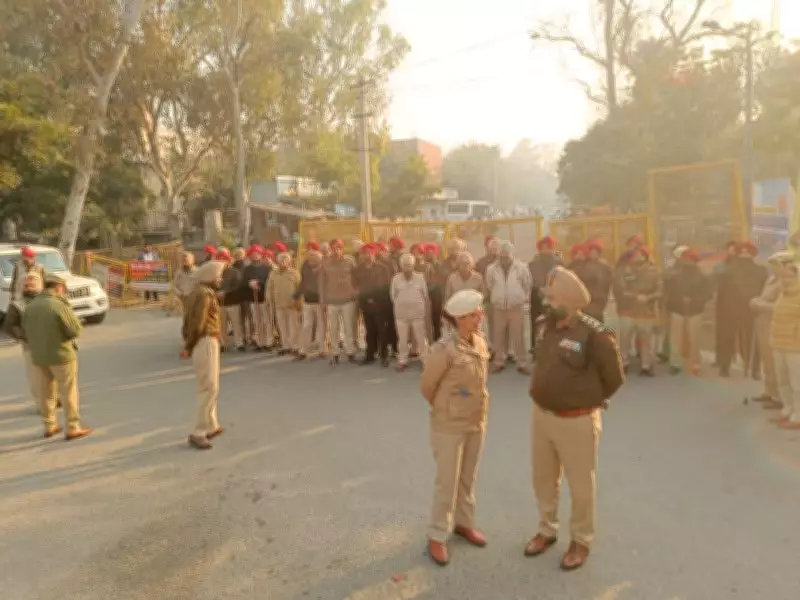
Farmer Leaders Detained in Bathinda Ahead of Scheduled Protest
In a significant development in Punjab's Bathinda district, several prominent farmer leaders were detained by police authorities ahead of a planned protest rally. The detentions have sparked immediate outrage among agricultural groups, with the Bharatiya Kisan Union (BKU) Ekta Ugrahan faction openly accusing the administration of betrayal and heavy-handed tactics.
Escalating Tensions in Agricultural Heartland
The incident occurred as farmers were preparing to gather for a demonstration to voice longstanding grievances over agricultural policies and support issues. According to eyewitness accounts and union statements, police personnel moved in to detain key organizers, citing potential law and order concerns. This preemptive action has dramatically heightened tensions in a region already simmering with discontent over economic and policy matters affecting the farming community.
The BKU Ekta Ugrahan leadership has condemned the detentions as an undemocratic move, claiming it violates the right to peaceful protest. In a strongly worded statement, union representatives alleged that the authorities had reneged on earlier assurances regarding protest permissions, labeling the police action as a clear betrayal of trust and an attempt to stifle legitimate dissent.

Broader Implications for Farmer Movements
This episode in Bathinda is seen as part of a larger pattern of confrontations between farmer unions and state administrations across northern India. The detention of leaders ahead of a planned event raises critical questions about protest rights and state response mechanisms in agricultural disputes. Local residents and activists report a palpable sense of anger and frustration, with many viewing the police action as disproportionate and politically motivated.
The situation remains fluid, with union members vowing to continue their agitation despite the setbacks. Community leaders are calling for the immediate release of the detained individuals and demanding transparency in the handling of protest permissions. The incident has also drawn attention from broader farmer solidarity networks, potentially galvanizing support for larger coordinated actions in the coming days.
As Bathinda becomes the latest flashpoint in India's ongoing agricultural debates, the detention of farmer leaders underscores the fragile balance between maintaining public order and upholding democratic protest rights. The outcome of this confrontation could set important precedents for how similar situations are managed in other agrarian regions facing economic pressures and policy challenges.