Farmer's Death in Kendrapada Triggers Political Feud Over Procurement Delays
The tragic death of a farmer in Kendrapada district has escalated into a heated political confrontation between the ruling Biju Janata Dal (BJD) and the opposition Bharatiya Janata Party (BJP). The incident occurred on Wednesday night, with allegations centering on delays in paddy procurement that may have contributed to the farmer's demise.
Details of the Incident and Allegations
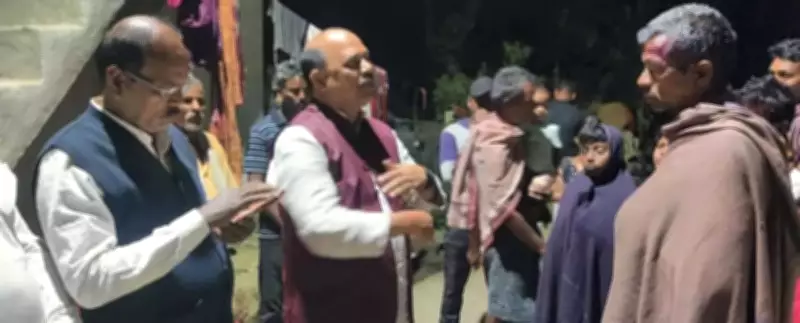
Trilochan Nayak, the deceased farmer from Junagadi village, had reportedly been waiting for four days to have his paddy weighed at the Ramchandi rice mill. According to Rajnagar MLA Dhruba Sahoo, who led a BJD delegation to meet Nayak's family on Thursday night, the farmer collapsed after returning home following three days of standing in front of the mill. Sahoo asserted that Nayak felt unwell due to the prolonged wait and demanded adequate compensation from the government, accusing the BJP-led administration of failing to protect farmers and misleading the public about the cause of death.
Political Responses and Counterclaims
BJP district president Sasanka Sekhar Sethi strongly refuted these allegations, stating that Nayak had already sold 38 quintals of paddy to the society and that his sudden death was unrelated to procurement issues. Sethi accused the opposition of politicizing the tragedy for electoral gains. Meanwhile, Kendrapada Additional District Magistrate Nabakrishna Jena confirmed that the Chief Secretary's Office and Rajnagar tehsildar have been instructed to submit a detailed report on the circumstances surrounding the farmer's death.
Broader Systemic Issues in Paddy Procurement
Farm leader Umesh Chandra Singh highlighted deeper problems in the procurement system, claiming that many cultivators are forced to sell paddy below the government-fixed price of Rs 3,100 per quintal. He cited factors such as procurement delays, long distances to Primary Agricultural Credit Society (PACS) centers, and alleged exploitation by millers and agents as contributing to widespread distress among farmers. This incident underscores ongoing challenges in Odisha's agricultural sector, where timely procurement and fair pricing remain critical concerns for rural livelihoods.