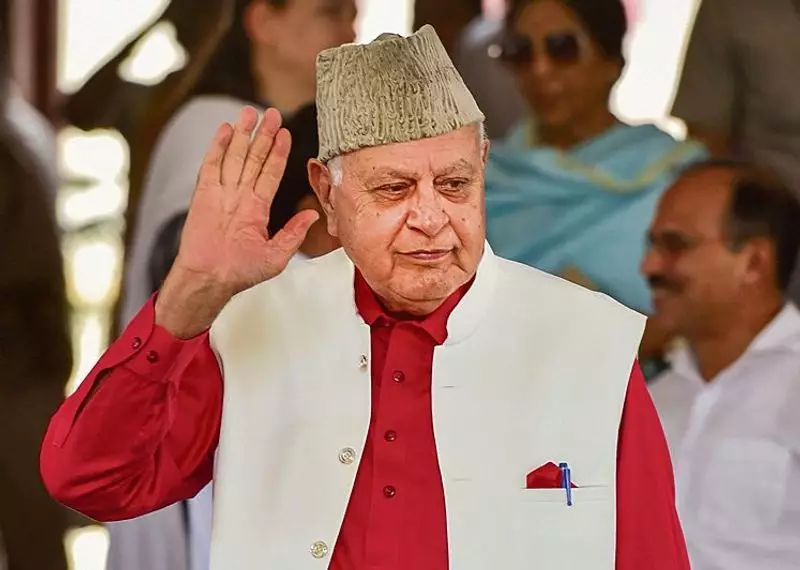
Senior National Conference leader and former Chief Minister of Jammu and Kashmir, Dr. Farooq Abdullah, has come out in defense of the recent house arrests of several political leaders in the union territory. The move by the administration came amidst student-led protests against changes in reservation policies.
Abdullah's Justification for Preventive Action
Speaking to the media in Srinagar, Abdullah stated that the authorities placed the leaders under house arrest because they believed certain elements wanted to exploit the situation and create widespread turmoil. He emphasized that the administration's primary concern was maintaining law and order during a sensitive period marked by public agitation.
The veteran politician argued that if the leaders had been allowed to move freely, it could have led to a significant escalation of tensions on the streets. He suggested that the government acted on specific intelligence inputs about potential trouble-makers aiming to hijack the peaceful student protests for their own agendas.

The Spark: Student Protests Over Reservation
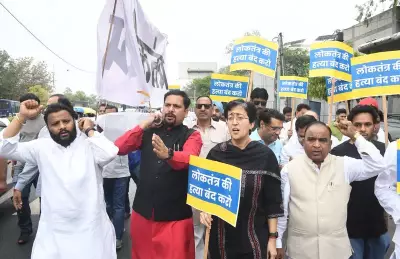
The controversy stems from recent protests by students in Jammu. The demonstrators were opposing the administration's decision to grant horizontal reservation to the Pahari community, which they fear will dilute the existing quotas for Gujjars, Bakerwals, and other Scheduled Tribes (STs).
Students from various universities and colleges took to the streets, demanding a rollback of the decision. They argued that the new policy would adversely affect their future employment and educational opportunities. The protests saw participation from student bodies across political and social spectra, turning it into a major issue in the region.
Political Repercussions and Reactions
The decision to place political figures, including some from Abdullah's own party, under house arrest has drawn mixed reactions. While Abdullah has defended it as a necessary preventive measure, other sections have criticized it as an overreach and an attempt to stifle democratic expression.
Abdullah, who is the Member of Parliament from Srinagar, clarified that his support was for the action itself, not necessarily for the policy that triggered the protests. He acknowledged the genuine concerns of the students and called for a dialogue to address their grievances regarding the reservation matrix.
This incident highlights the ongoing delicate balance the administration seeks to maintain in Jammu and Kashmir. It underscores the challenges in managing public dissent while preventing any situation from spiraling into violence or unrest, a priority repeatedly stated by the central government.
The former Chief Minister's statement is significant as it provides a political justification for the restrictive measures. It also signals a complex dynamic where local leaders, while potentially at odds with certain policies, may align with the administration on the paramount need for stability in the region.