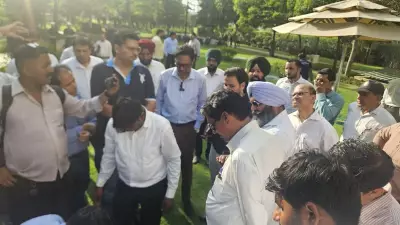
Fazilka SSP Appears Before Takht Jathedar in Punjab
In a significant development in Punjab, Fazilka Senior Superintendent of Police (SSP) Harmanbir Singh Gill appeared before Takht Damdama Sahib Jathedar Giani Harpreet Singh. This appearance was made to address allegations of misconduct and to clarify the police officer's actions in recent incidents that have drawn public attention.
Background of the Allegations
The allegations against SSP Harmanbir Singh Gill stem from complaints regarding his conduct during law enforcement operations in the Fazilka district. Specific details of the misconduct have not been fully disclosed, but sources indicate they involve issues related to police procedures and community interactions. The Takht Jathedar, as a high-ranking religious authority in Sikhism, summoned the SSP to ensure accountability and address concerns from the local community.
Details of the Meeting
During the meeting, SSP Gill presented his side of the story, explaining the circumstances surrounding the allegations. Giani Harpreet Singh, the Jathedar of Takht Damdama Sahib, listened to the explanations and emphasized the importance of maintaining ethical standards in law enforcement. The discussion focused on balancing police duties with respect for religious sentiments and community welfare in Punjab.

Key points from the meeting include:
- SSP Gill's commitment to following proper protocols in future operations.
- The Jathedar's call for transparency and justice in police matters.
- An agreement to avoid similar incidents through better communication and training.
Implications for Law Enforcement and Religious Authority
This event underscores the unique role of religious authorities in Punjab, where Takht Jathedars often intervene in civil and administrative matters to uphold moral and ethical standards. It highlights the ongoing dialogue between state institutions, like the police, and religious leaders to foster harmony and accountability. Experts note that such interactions can help bridge gaps between law enforcement and the public, especially in sensitive regions like Punjab.
For instance, similar cases in the past have led to reforms in police training programs to include modules on cultural sensitivity and community engagement.
Reactions and Future Steps
Reactions from the community have been mixed, with some praising the Jathedar's intervention as a step towards justice, while others express concerns about the potential overreach of religious figures into state affairs. The Punjab Police Department has stated that it will review the matter internally and take necessary actions based on the findings. Moving forward, SSP Gill is expected to implement the discussed measures to improve police-community relations in Fazilka.
In conclusion, the appearance of Fazilka SSP before the Takht Jathedar marks a notable instance of religious authority influencing law enforcement accountability in Punjab. It reflects the complex interplay between tradition and governance in the region, with potential implications for future police conduct and public trust.