

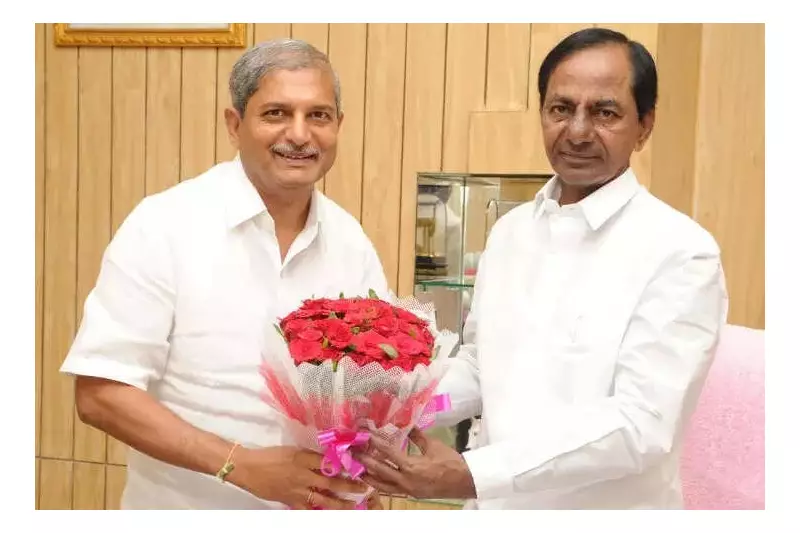
A major controversy has erupted in Telangana over a former MLA continuing to receive a government pension despite a High Court ruling that declared he is not an Indian citizen. The case involves former BRS legislator Chennamaneni Ramesh, who represents the Vemulawada constituency.
The Core of the Controversy
In a significant judgment delivered a year ago, the Telangana High Court ruled that Chennamaneni Ramesh was not an Indian citizen. The court found that he had concealed his German citizenship while contesting Assembly elections. As a penalty for this concealment, the HC imposed a hefty fine of Rs 30 lakh on Ramesh, which he has since paid.
Despite this ruling, Ramesh continues to receive a monthly pension of Rs 60,000 as a former MLA. Having served four terms from Vemulawada, he is entitled to this pension under Telangana assembly rules, which also cover medical reimbursement and other benefits. Records show he has been drawing over Rs 50,000 monthly since December 2023.

Political Demand to Stop Benefits
Congress MLA Adi Srinivas, who was the petitioner in the case challenging Ramesh's citizenship, has now raised a strong objection. He has urgently written to the assembly secretary and the Speaker, demanding an immediate halt to the pension payments to Ramesh.
Srinivas argues that since Ramesh has been declared a foreign citizen by the court, he is not entitled to any government benefits or emoluments. The Congress MLA has demanded not only the stoppage of future payments but also the recovery of all salary, benefits, and emoluments already given to Ramesh. "If required, I will approach the HC on this issue again," Srinivas stated, expressing frustration over the lack of action on his previous requests.
Administrative Hurdles and Legal Opinions
The assembly secretary, however, reportedly informed Srinivas that the High Court order did not specifically mention recovering the salary and other payments already made. The secretary's view is that there is no provision under existing rules to make such recoveries.
Legal experts have weighed in on the procedural dilemma. Former Telangana advocate general K Rama Krishna Reddy clarified that the legislative secretary lacks adjudicating powers on such matters. He stated that the assembly Speaker holds the authority to decide on Ramesh's pension entitlement, as it is a post-disposal decision following the court case. Reddy also suggested Srinivas could approach a competent court specifically on the pension issue.
In a related legal development, Adi Srinivas had filed a special leave petition in the Supreme Court, seeking to be declared the elected MLA for the terms Ramesh served. However, in August of this year, the Supreme Court declined to intervene, stating it could not 'resurrect' the matter as the election term had already ended. Sources close to Ramesh pointed out that the top court also did not address the issue of his emoluments and pension during this appeal.
What Happens Next?
The situation remains at an impasse. On one side, there is a clear judicial declaration of Ramesh's non-Indian status and a substantial fine for concealment. On the other, administrative rules and the specific wording of the court order are being cited to continue the pension. The ball now appears to be in the court of the Assembly Speaker, whose decision is awaited, or potentially back in the judicial system if Srinivas makes good on his threat to approach the High Court again. The case highlights a complex gap between judicial pronouncements on eligibility and the administrative machinery governing post-service benefits for legislators.






