The Goa government's recently launched AI-powered e-challan system at a key border checkpost has been temporarily shut down. This follows intense public outcry and protests from residents over repeated technical failures and allegations of excessive, unfair fines being levied on motorists.
Public Outcry Leads to System Halt
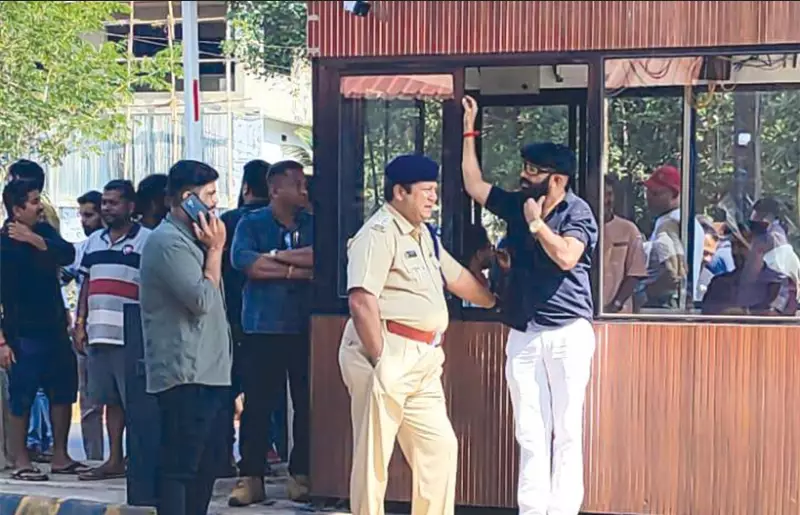
The integrated toll plaza checkpost at Sheli Polem in Canacona became the centre of a major controversy. Local residents, supported by the Jana-Sena Warriors, staged protests accusing the state transport department of imposing unjust penalties. The protesters argued that the faulty system was causing unnecessary traffic congestion due to repeated vehicle checks. Their primary demand was a complete suspension of the automated system until all technical issues were reliably fixed.
Officials at the toll plaza have now confirmed that the e-challan system will remain inactive until the glitches are resolved. However, Transport Director Pravimal Abhishek declined to comment on the situation, citing that he was on leave.

Tourists and Locals Hit by Wrongful Fines
A significant point of contention involves fines for Pollution Under Control (PUC) certificates. Numerous vehicle owners, including tourists entering from neighbouring states, have reported being wrongly penalised. Several motorists holding valid PUC certificates issued in Karnataka were fined amounts as high as Rs 10,500 at the Goa checkpoints.
Affected individuals state that when they present their valid documents, officials at the booths cite "server down" issues. They are then directed to travel to the Arlem RTO office for manual verification. This has led to severe inconvenience, with some people forced to travel over 100 kilometres to resolve the issue, resulting in long queues and wasted time.
Technical Glitches and Political Reactions
The problems appear rooted in database synchronization and application failures. Tirthprasad Nagvenkar, an industrialist from Old Goa with a factory in Hubballi, Karnataka, shared his frustrating experience. He stated that while his Karnataka vehicle's Goa-issued PUC showed online, the PUC for his Goa vehicle from the same centre did not. He also highlighted that the official M-Parivahan app frequently times out, making verification impossible.
Nagvenkar acknowledged the government's intent, calling the AI camera installation a "very good move." But he urged authorities to conduct manual checks where the system fails and ensure certified centres update the national database regularly.
The opposition Congress party has strongly criticised the implementation. Activists labelled the system a form of public harassment and a potential tool for "looting the people." Congress activist Janardhan Bhandari revealed he contacted officials from Goa Electronics Ltd and the transport department about the commuters' plight. He pointed out the absurdity of individuals earning Rs 10,000 per month receiving challans of the same amount due to system errors.
Protesters and political figures have warned that such operational failures, especially during the peak New Year tourist season, could severely damage Goa's hospitality business and reputation. They have vowed not to let such glitches affect their livelihood.