The Gujarat government has taken swift administrative action by transferring the District Collector of Surendranagar, K. Rajesh, in the wake of a high-profile arrest made by the Enforcement Directorate (ED). The move comes shortly after the central agency apprehended a junior revenue official from the district in connection with a money laundering investigation.
ED's Arrest Triggers Immediate Administrative Reshuffle
On Friday, the state government issued orders for the transfer of K. Rajesh, the 2012-batch IAS officer serving as the Surendranagar District Collector. He has been reassigned to the position of Commissioner of Rural Housing in Gandhinagar. The order was executed with immediate effect.
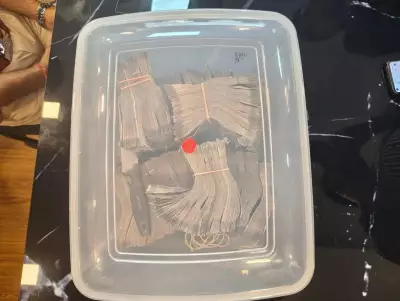
This decisive step was directly linked to the Enforcement Directorate's arrest of a Talati, a junior-level revenue official, from the district. The Talati was taken into custody under the provisions of the Prevention of Money Laundering Act (PMLA). While the specific details of the alleged financial irregularities are still emerging, the arrest sent shockwaves through the local administration, prompting the top-level transfer.

New Leadership Takes Charge in Surendranagar
Filling the vacant post, the state government appointed A. N. Patel, a 2009-batch IAS officer, as the new District Collector and District Magistrate of Surendranagar. Patel was previously serving as the Joint Commissioner of the Commercial Tax Department in Gandhinagar. The government's notification confirms that Patel will assume his new responsibilities right away.
The transfer of a District Collector, a senior administrative head of a district, following the arrest of a junior official underscores the seriousness with which the state government is viewing the case. It highlights the immediate administrative repercussions stemming from the central agency's probe into alleged corruption and money laundering activities at the grassroots level.
Broader Implications and Official Silence
This incident raises significant questions about administrative oversight and the mechanisms to prevent corruption within revenue departments. The swift transfer is seen as a measure to ensure a free and fair investigation and to restore public confidence in the administration's integrity.
As of now, neither the state government nor the Enforcement Directorate has released an extensive official statement detailing the exact nature of the charges against the arrested Talati or the specific sum of money involved in the alleged laundering. The case is believed to be part of a larger probe into illegal land transactions and dubious financial activities within the region.
The development is being closely watched, as it involves the intersection of state administration and central investigative agencies. It sets a precedent for administrative accountability when junior officials are accused of serious financial crimes. The focus now shifts to the ongoing ED investigation and whether further actions or revelations will follow this initial arrest and the consequential high-profile transfer.