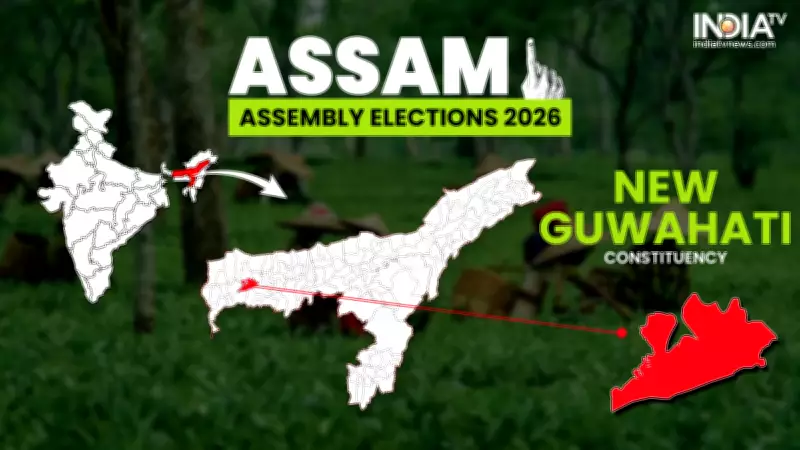
Guwahati Assembly Constituency: A Strategic Battleground for 2026 Assam Elections
The Guwahati Assembly constituency, a pivotal seat in Assam's capital region, is already drawing significant political attention as parties gear up for the 2026 state legislative assembly elections. This urban constituency, known for its diverse electorate and dynamic socio-economic profile, has historically been a bellwether for broader political trends in the state. With the election cycle approaching, a detailed examination of its electoral history, past performance, and emerging candidate dynamics provides crucial insights into the upcoming contest.
Historical Performance and Past Winners
An analysis of previous election results reveals a competitive landscape in Guwahati. In the 2021 Assam Legislative Assembly election, the constituency was won by the Bharatiya Janata Party (BJP) candidate, who secured a decisive victory. The incumbent MLA has been actively involved in local development initiatives, focusing on infrastructure, urban planning, and public services, which could influence voter sentiment in 2026. Earlier elections saw varied outcomes, with shifts between national and regional parties, reflecting the constituency's evolving political preferences. Key factors such as demographic changes, urbanization, and issue-based voting have historically played a role in determining winners here.
Victory Margins and Electoral Trends
The victory margins in Guwahati have fluctuated over the years, indicating the intensity of political competition. In 2021, the winning margin was substantial, underscoring a strong mandate for the ruling party. However, past elections have witnessed narrower wins, sometimes by just a few thousand votes, highlighting the constituency's potential for close contests. Trends suggest that factors like voter turnout, campaign strategies, and local issues—such as traffic management, flood control, and employment opportunities—significantly impact these margins. As parties refine their outreach, understanding these patterns will be essential for crafting effective electoral strategies in 2026.

Party-Wise Candidates and Political Dynamics
With the 2026 elections on the horizon, major political parties are expected to field strong candidates in Guwahati. The BJP, aiming to retain the seat, may consider renominating the incumbent or selecting a new face based on performance reviews and internal assessments. The Indian National Congress (INC), as the principal opposition, is likely to put forward a candidate with local appeal, possibly focusing on issues like governance and development gaps. Regional parties, such as the Asom Gana Parishad (AGP) and new entrants, could also play a spoiler role, influencing vote-splitting and alliance formations. Candidate selection will hinge on factors like popularity, community support, and ability to address urban challenges.
Key Issues and Voter Sentiment
Voter sentiment in Guwahati is shaped by a mix of local and state-level concerns. Urban infrastructure, including roads, public transport, and housing, remains a top priority for residents. Environmental issues, such as pollution and water management, are gaining traction, especially among younger voters. Additionally, economic factors like job creation, small business support, and cost of living are likely to dominate campaign narratives. Parties will need to tailor their manifestos to address these specific needs, as Guwahati's electorate is increasingly issue-oriented and less swayed by traditional loyalties alone.
Outlook for the 2026 Election
As the 2026 Assam election approaches, the Guwahati Assembly constituency is poised to be a key battleground that could influence overall state outcomes. The contest is expected to be highly competitive, with parties leveraging data from past performances to optimize their campaigns. Factors such as alliance politics, candidate charisma, and on-ground mobilization will be critical in determining the winner. Observers predict that the constituency's outcome may serve as an indicator of broader political shifts in Assam, making it a focal point for analysts and strategists alike.

In summary, the Guwahati Assembly constituency offers a microcosm of Assam's political dynamics, with its rich electoral history and evolving challenges setting the stage for a closely watched election in 2026. Stakeholders across the political spectrum are advised to monitor developments closely as campaigns unfold and voter preferences crystallize.