Haryana Government Announces Minimum Wage Hike for Auto Factory Workers
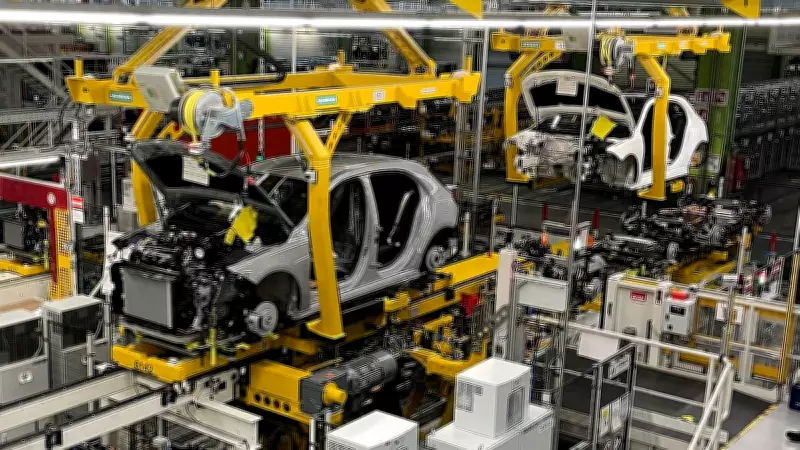
The Haryana government has officially increased the minimum wage for workers employed in the state's automobile factories. This decision comes in response to widespread protests by laborers who have been grappling with soaring living costs, exacerbated by the ongoing conflict in Iran.
Background of the Protests and Economic Pressures
Auto factory workers in Haryana had been staging demonstrations to demand higher wages, citing the severe impact of inflation on their daily expenses. The protests highlighted how the Iran war has disrupted global supply chains, leading to increased prices for essential goods and services. Workers argued that their current earnings were insufficient to cope with these economic challenges, prompting urgent calls for government intervention.
The new wage hike is designed to provide relief to thousands of employees in the automotive sector, ensuring they receive fair compensation amid rising costs. This move underscores the government's commitment to addressing labor concerns and maintaining industrial harmony in the region.

Details of the Wage Increase and Its Implications
While specific figures for the wage hike have not been disclosed in the initial announcement, sources indicate that the adjustment will apply to all auto factory workers under Haryana's jurisdiction. The increase is expected to be implemented swiftly, with authorities working to formalize the changes through official notifications.
This policy shift reflects broader efforts to stabilize the local economy and support workers facing financial strain. By raising the minimum wage, the government aims to mitigate the effects of external factors like the Iran conflict, which has contributed to global economic volatility and higher costs for consumers.
Reactions and Future Outlook
Labor unions and worker representatives have welcomed the decision, viewing it as a positive step toward improving living standards. However, they emphasize the need for continuous monitoring to ensure that wages keep pace with inflation and other economic variables.
- The wage hike is seen as a crucial measure to prevent further unrest and maintain productivity in Haryana's auto industry.
- Experts suggest that similar adjustments may be necessary in other sectors if economic pressures persist.
- The government's proactive approach could set a precedent for addressing labor issues in other Indian states.
Overall, this development highlights the interconnectedness of global events and local economies, demonstrating how conflicts like the Iran war can have direct repercussions on workers' livelihoods. The Haryana government's response serves as a reminder of the importance of adaptive policies in times of crisis.