

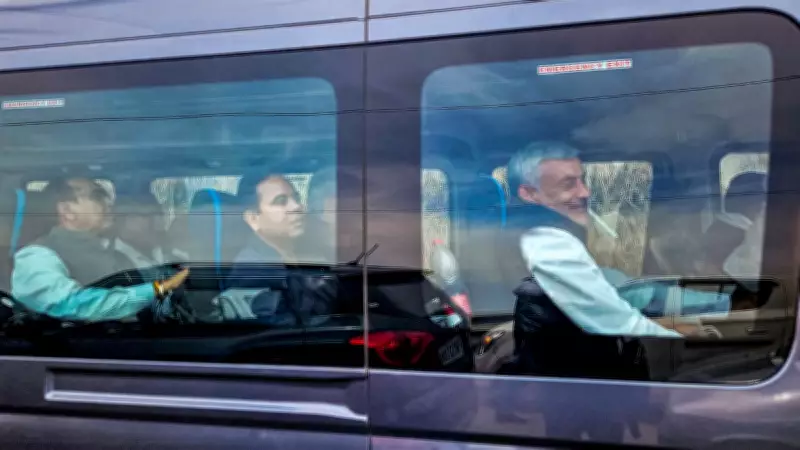
Haryana Rajya Sabha Election Results Declared: BJP Secures Two Seats, Congress Takes One
The results for the highly anticipated Rajya Sabha elections in Haryana have been officially announced, marking a significant moment in the state's political landscape. The Bharatiya Janata Party (BJP) has emerged victorious by winning two out of the three contested seats, while the Indian National Congress has managed to secure one seat. This outcome is poised to influence the power dynamics within Haryana as the state gears up for the crucial 2026 assembly elections.
Winning Candidates and Vote Tally
From the BJP, the elected candidates are Sanjay Bhatia and Kamarvir Boudh, both of whom garnered substantial support from the legislative assembly members. On the Congress side, Satish Nandal successfully clinched the third seat, ensuring the party's representation in the upper house of Parliament. The vote counting process was conducted smoothly, with results reflecting the expected political alignments based on the strength of each party in the Haryana assembly.
Political Implications and Future Outlook
This election result is particularly noteworthy as it underscores the BJP's continued dominance in Haryana politics, bolstering its position ahead of the 2026 state assembly polls. The Congress, by securing one seat, has maintained a foothold, which could be pivotal for opposition strategies moving forward. Key political figures, including former Chief Minister Bhupinder Singh Hooda and current BJP leader Nayab Saini, have been actively involved in the campaigning and outcome analysis, highlighting the election's significance for both parties.

Analysts suggest that these results may lead to:
- Strengthened BJP influence in Rajya Sabha deliberations on national issues.
- Potential shifts in Congress's approach to coalition-building in Haryana.
- Increased political maneuvering as parties prepare for the 2026 assembly elections.
Overall, the Haryana Rajya Sabha election has set the stage for intensified political activities in the state, with all eyes now on the upcoming electoral battles that will shape its governance and policy directions.






