The National Capital Region Planning Board (NCRPB) has decided to retain all 14 districts of Haryana within the National Capital Region (NCR), putting an end to months of uncertainty over a potential reduction in the state's NCR footprint. The decision was announced during the 42nd meeting of the NCRPB held in New Delhi on Tuesday, chaired by Union Minister Manohar Lal Khattar.
Decision Brings Relief to Several Districts
Chief Minister Nayab Singh Saini, who attended the meeting, confirmed that Haryana's existing NCR boundaries would remain unchanged. This decision comes as a major relief for districts such as Karnal, Panipat, Jind, Mahendragarh, and Bhiwani, which were widely expected to be excluded under a proposed rationalisation exercise. If the proposal had been implemented, Haryana's NCR area would have shrunk from the current 25,327 square kilometers to approximately 10,546 square kilometers, a reduction of nearly 60%.
Development Prospects Boosted
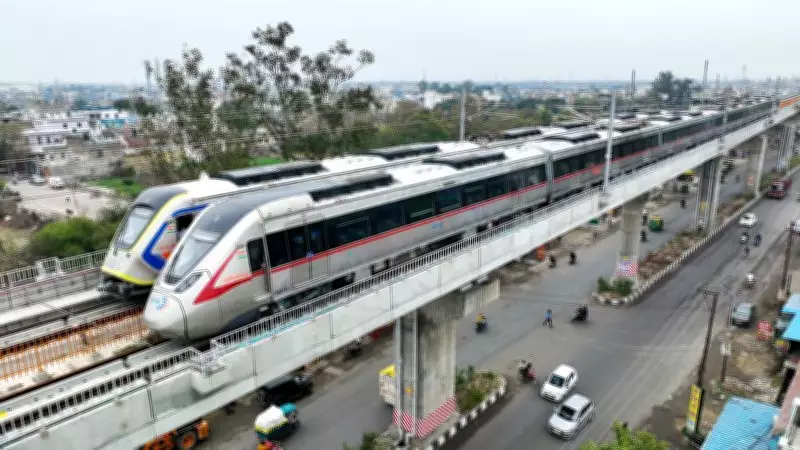
The continuation of NCR status is expected to bolster development prospects for these districts. As part of the NCR, they remain eligible for infrastructure financing from the NCR Planning Board, which has supported 366 projects worth over Rs 32,000 crore across the region. They will also continue to be covered under the Regional Plan-2041, which includes proposed Regional Rapid Transit System (RRTS) corridors, orbital rail links, and highway connectivity projects.

For rapidly growing urban centers such as Karnal and Panipat, retaining NCR status is expected to sustain investor confidence, improve connectivity, and strengthen prospects for industrial, logistics, and institutional development. The NCR tag also enhances the attractiveness of land for large-scale projects and infrastructure investments.
Environmental Regulations Remain Applicable
However, continued inclusion in the NCR also means these districts will remain subject to stricter environmental regulations. These include restrictions on polluting industries, construction curbs during periods of poor air quality, and vehicle regulations under the Graded Response Action Plan (GRAP). Industrial centers such as Panipat and districts grappling with crop-residue burning, including Karnal, are likely to continue facing tighter compliance requirements. Residents will also remain subject to higher fuel taxes and more stringent building regulations applicable within the NCR.
RRTS and Vehicle Conversion Scheme Approved
The Board also reviewed progress on the proposed RRTS corridor towards Karnal and Manesar and approved a vehicle conversion scheme for older vehicles operating in the NCR as part of its clean air initiatives. The next meeting of the NCR Planning Board has been proposed for December.