Haryanvi Wedding Song 'Modi De De Na Cylinder' Satirizes Rising Gas Prices, Goes Viral
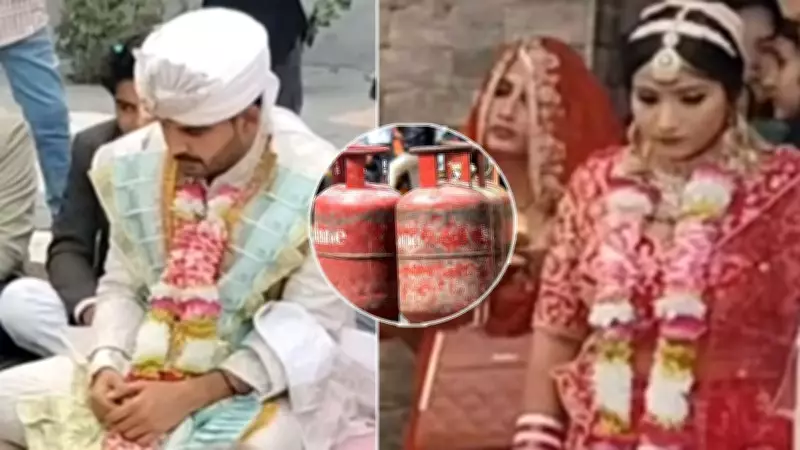
A Haryanvi wedding song titled 'Modi De De Na Cylinder' has taken the internet by storm, gaining widespread attention for its humorous yet pointed critique of escalating LPG cylinder prices in India. The song, which translates to 'Modi, Give Us the Cylinder,' has been dubbed 'shaadi satire' by netizens, blending traditional wedding festivities with sharp social commentary on economic hardships faced by households.
Viral Sensation and Social Media Buzz
The song, performed in a typical Haryanvi folk style, features lyrics that directly address Prime Minister Narendra Modi, pleading for relief from the soaring costs of cooking gas. It has quickly gone viral on platforms like YouTube, Twitter, and Instagram, where users are praising its creative approach to highlighting everyday struggles. Many have shared the video with captions applauding its bold and witty take on a pressing issue, while others have noted how it resonates with common people grappling with inflation.
Internet users have flooded social media with reactions, calling it a 'masterpiece of protest art' and a 'reflection of public sentiment.' The song's catchy tune and relatable theme have made it a trending topic, with hashtags like #ModiDeDeNaCylinder and #GasPriceSatire gaining traction. This viral spread underscores how digital platforms are amplifying grassroots expressions of discontent in unique and engaging ways.

Context of Rising Gas Prices in India
The song's popularity comes against the backdrop of steadily increasing LPG cylinder prices across India, which have burdened many families, especially in rural and semi-urban areas like Haryana. Over recent months, the cost of domestic cylinders has seen multiple hikes, impacting household budgets and sparking public outcry. This economic pressure has fueled discussions on affordability and government policies, making the song's message particularly timely and resonant.
In Haryana, where the song originates, the issue hits close to home as residents navigate these financial challenges. The use of a wedding setting—a joyous occasion often associated with significant expenses—adds a layer of irony, emphasizing how even celebratory moments are overshadowed by economic worries. This clever juxtaposition has been key to the song's appeal, turning it into a cultural touchstone for broader societal concerns.
Cultural Impact and Public Reaction
Beyond its viral status, the song has sparked conversations about the role of art in social activism. By embedding political critique within a traditional folk format, it demonstrates how regional music can serve as a powerful medium for dissent and dialogue. Experts note that such creations often gain traction because they are accessible and emotionally charged, bridging gaps between entertainment and advocacy.
Public reaction has been largely supportive, with many applauding the artists for their courage and creativity. However, some have also debated the appropriateness of mixing politics with cultural events like weddings. Despite this, the overwhelming response highlights a growing trend of using humor and satire to address serious issues, making complex topics more relatable to a wider audience.
As the song continues to circulate online, it remains a testament to the internet's ability to amplify grassroots voices and foster discussions on pressing economic matters. Whether it leads to any policy changes or simply serves as a cathartic expression, its impact on digital culture and public discourse is undeniable.