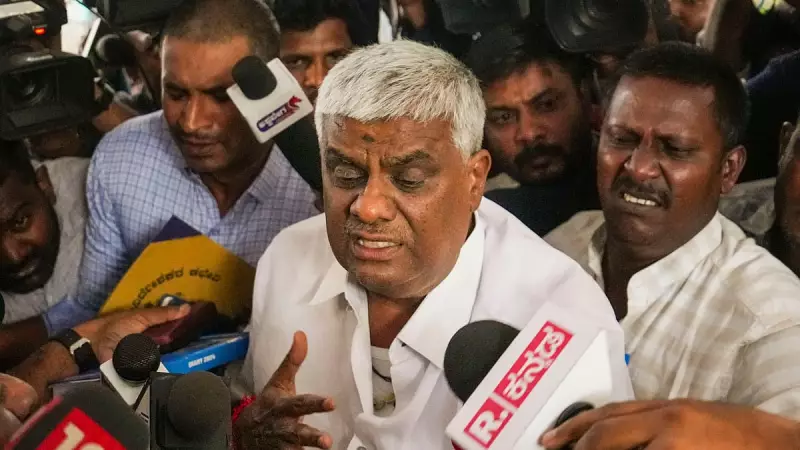
In a significant legal development, a special court in Karnataka has discharged Janata Dal (Secular) leader and former minister HD Revanna from a sexual harassment case. The decision was based on the grounds of an inordinate delay in the filing of the initial complaint against him.
Court Cites Delay as Key Reason for Discharge
The ruling was delivered by Special Court Judge K N Shivakumar, who serves as the Additional Chief Judicial Magistrate. The judge pointed to the substantial lapse of time between the alleged incident and the formal lodging of the complaint as the primary reason for the discharge. The case was registered under Section 354A of the Indian Penal Code, which deals specifically with sexual harassment.
While the exact details and timeline of the alleged incident were not fully disclosed in the court's brief order, the legal principle applied is clear. Indian courts often scrutinize delays in reporting such serious allegations, as they can impact evidence collection, witness memory, and the overall fairness of the trial process.

Political Repercussions and Legal Context
HD Revanna, a prominent figure in Karnataka politics and the son of former Prime Minister HD Deve Gowda, has been embroiled in various legal controversies. This discharge in the sexual harassment case, dated 29 December 2025, provides him with substantial legal relief. However, the case had already attracted considerable public and media attention, reflecting the heightened scrutiny on allegations against political figures.
The use of Section 354A IPC in this context highlights the legal framework used to address sexual harassment complaints. The court's decision to discharge, rather than acquit, at this stage means the case has been terminated before the framing of charges, based on the procedural ground of delay.
What This Means for Similar Cases
This ruling underscores a critical aspect of the judicial process in India concerning sexual offence cases. It brings to the fore the ongoing debate between the necessity for timely reporting to ensure justice and the understanding of the complex reasons victims may delay coming forward.
The discharge order is likely to be analyzed by legal experts and may influence how similar arguments are presented in other cases. For now, it marks a pivotal moment in a case that had been closely watched within Karnataka's political and legal circles.