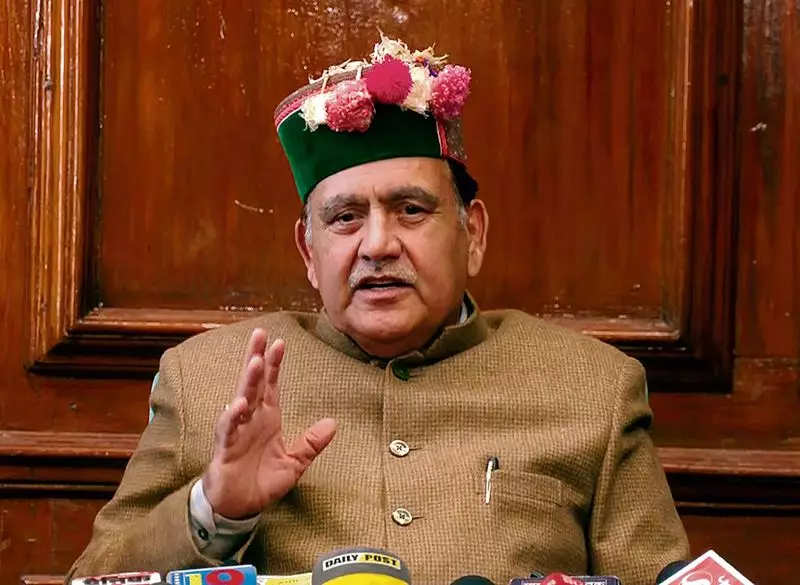
The Himachal Pradesh Legislative Assembly has decided to temporarily halt the progression of a significant amendment bill. The proposed legislation aimed to alter Section 118 of the Law of Transfer of Property Act, 1882, but will now undergo further scrutiny.
Bill Withdrawn for Broader Consultation
During the ongoing budget session, Chief Minister Sukhvinder Singh Sukhu announced the government's decision. He stated that the Himachal Pradesh Transfer of Property (Himachal Pradesh Amendment) Bill, 2023, is being put on hold. The primary reason cited is the need for more extensive discussions with a wider range of stakeholders.
The bill was originally introduced to address specific property transfer issues within the state. However, following its introduction, various legal experts and community representatives raised concerns. These groups requested more time to examine the proposed changes in detail and to provide comprehensive feedback.
Government Acknowledges Need for Deliberation
In response to these requests, the state government, led by CM Sukhu, has chosen a path of caution. The bill has been officially withdrawn from the current session's agenda. This move indicates that the government is prioritizing thorough deliberation over hasty implementation.
The Chief Minister emphasized that lawmaking, especially on matters concerning property rights, requires careful consideration. The government intends to hold fresh consultations with legal professionals, civil society groups, and other interested parties. The goal is to craft a piece of legislation that is robust, fair, and addresses the genuine needs of Himachal's residents without unintended consequences.
Implications and Next Steps
The decision to pause the amendment bill highlights a responsive approach to governance. By putting the bill on hold, the Vidhan Sabha has effectively created a window for deeper analysis. This process is expected to examine all potential impacts of the proposed changes to the century-old Transfer of Property Act.
There is no official timeline announced for when the revised bill might be reintroduced. The government's next step will be to organize the promised consultative meetings. The outcome of these discussions will shape the future version of the amendment. For now, the existing provisions of Section 118 of the Transfer of Property Act, 1882, will remain in force across Himachal Pradesh.
This development underscores the importance of legislative scrutiny in a democracy. It shows that even well-intentioned proposals can benefit from additional expert input and public dialogue before becoming law.