The discontinuation of the revenue deficit grant (RDG) by the 16th Finance Commission has plunged Himachal Pradesh into a severe financial crisis, marking a historic shift after 73 years of continuous support. This decision deals a major blow to the debt-ridden hill state, which currently carries a staggering total debt of approximately Rs 1.03 lakh crore. State officials express deep concern that the cessation of RDG could further strain the state's already fragile finances, potentially triggering broader economic repercussions.
Emergency Government Response and Political Unity Call
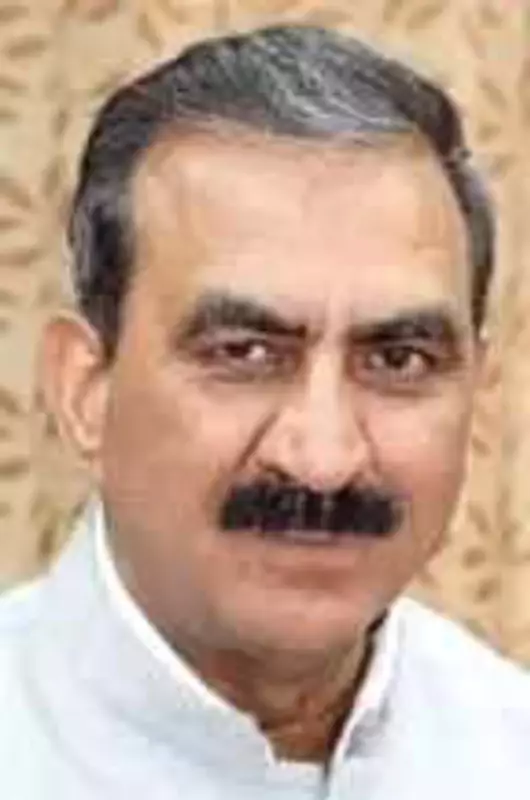
In response to this unprecedented situation, the state government is taking urgent measures. Chief Minister Sukhvinder Singh Sukhu announced on Wednesday that a cabinet meeting has been scheduled for February 8 to discuss the issue in detail. Following this, the government plans to convene a special session of the legislative assembly to thoroughly examine the implications of the grant discontinuation.
The government is also considering inviting opposition BJP MLAs to participate in legislative party meetings, emphasizing the need for a united political response that transcends party lines. Sukhu stressed that this fight is not between governments but for the people of Himachal Pradesh, urging all political parties to come together in the state's interest.

Historical Context and Financial Impact
Between 2019 and 2025, Himachal Pradesh received nearly Rs 48,000 crore in RDG under Article 275 of the Constitution—a grant it had been receiving continuously since 1952. The central government, following recommendations of the 15th Finance Commission, released Rs 10,249 crore in 2021-22, which gradually decreased to Rs 3,257 crore in 2025-26. The complete cessation from 2026 to 2031 creates an unprecedented challenge for a state never designed to function as a revenue-surplus entity.
The state government had anticipated receiving nearly Rs 50,000 crore in RDG for the 2026-2031 period. Sukhu warned that this sudden halt could have serious consequences for both the state's and the country's economy, particularly given Himachal Pradesh's unique geographical and ecological circumstances.
Additional Financial Challenges and Ecological Importance
Sukhu highlighted several compounding financial pressures facing the state, including losses following the introduction of goods and services tax (GST), the end of GST compensation in 2022, limited GST revenue due to the state's small population, and reduced duties on apple imports. Climate change-related natural disasters have further strained the hill state's finances.
The Chief Minister emphasized Himachal Pradesh's ecological and strategic significance, arguing that comparing it with larger plains states is misleading. Approximately 90% of Himachal Pradesh is mountainous, with 68% forested land and 28% forest cover. The state is home to five major rivers, serving as both the water bowl and lungs of northern India.
"We safeguard this ecology and provide ecological services valued at Rs 90,000 crore to the nation every year," Sukhu stated, urging that Himachal Pradesh should not be grouped with the 17 states whose RDG was halted, as it receives fewer major schemes and faces unique challenges.
Transparency and Future Planning
The government plans to present detailed briefings to legislators and journalists on how the loss of RDG will affect the state budget and future planning. Sukhu called on BJP spokespersons to recognize the gravity of the situation and rise above political differences to safeguard the state's economic future, emphasizing that this issue requires collective action beyond partisan politics.