

Himachal Pradesh Implements Revised Entry Tax Structure for Out-of-State Vehicles
The cash-strapped Himachal Pradesh government has announced a significant increase in entry tax on vehicles registered outside the state, effective from April 1, with the aim of raising approximately Rs 228 crore in additional revenue. This move comes as the state seeks to bolster its finances through enhanced taxation on interstate travel.
Revised Fee Structure and Immediate Backlash
Under the newly revised tax structure, private cars, jeeps, vans, and light motor vehicles will now be required to pay Rs 170, a substantial increase from the previous fee of Rs 70. For 12+1-seater passenger vehicles, the entry fee has been raised to Rs 130, up from Rs 110. The most significant hike affects trucks with seven or more axles, which now face a maximum entry fee of Rs 900.
This decision has sparked sharp criticism from neighboring states, particularly Punjab. Punjab Finance Minister Harpal Singh Cheema has strongly objected to the hike, proposing a reciprocal entry tax on vehicles registered in Himachal Pradesh as a retaliatory measure. The potential for a tax war between the two states looms large, threatening to disrupt regional trade and commuter patterns.

Chief Minister's Assurance and Concessional Measures
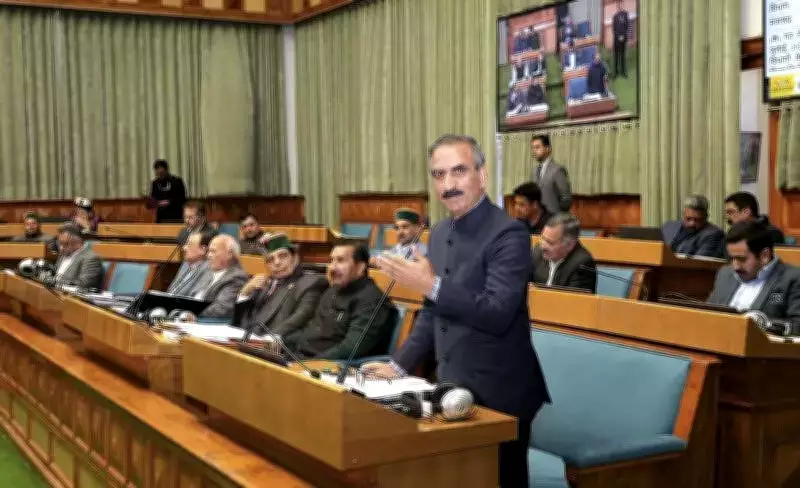
Chief Minister Sukhvinder Singh Sukhu addressed the state assembly on Wednesday, acknowledging the concerns raised by frequent commuters. He assured that these issues would be considered sympathetically, with the issuance of vehicle passes slated for discussion at the next Cabinet meeting. Sukhu emphasized that the tax hike is only marginal and clarified that it does not apply to private vehicles registered within Himachal Pradesh itself.
The entry tax specifically targets commercial and transport vehicles, as well as those registered in other states, aiming to minimize the impact on local residents while maximizing revenue from interstate traffic.
In response to queries from MLAs Rakesh Jamwal, Sukh Ram Chaudhary, and Rakesh Kalia, the Chief Minister outlined a concessional scheme for residents living within a 5-kilometer radius of toll barriers. These individuals will be eligible for discounted vehicle passes based on certification from local authorities, including Sub-Divisional Magistrates (SDMs) and tehsildars.
FASTag Integration and NHAI Collaboration
Sukhu highlighted that linking the vehicle entry tax with FASTag technology has contributed to the higher rates observed in the new structure. To streamline operations and reduce redundancy, the government is considering merging National Highways Authority of India (NHAI) toll plazas with Himachal's entry tax barriers wherever they are in close proximity. Discussions with NHAI officials are currently underway to explore this integration.
The state expects to generate an additional Rs 58 crore from the revised entry fees in the fiscal year 2026–27 compared to the previous year, underscoring the financial motivations behind the policy shift.
Political and Economic Implications
BJP MLA Randhir Sharma urged the state government to engage proactively with Punjab authorities to prevent retaliatory taxes on Himachal-registered vehicles, emphasizing the need for diplomatic resolution to avoid escalating tensions. Meanwhile, Paonta Sahib MLA Sukh Ram Chaudhary raised specific concerns about daily commuters from Dehradun and Yamunanagar who travel to industrial hubs in Paonta Sahib and Kala Amb.
Congress MLA Hardeep Bawa pointed out that workers from neighboring states also commute daily to industrial areas in Baddi, Barotiwala, and Nalagarh, highlighting the broader economic interdependencies at stake.
Revenue Allocation and Inflation Concerns
Chief Minister Sukhu downplayed fears that the increased entry tax would lead to substantial inflation or place a heavy burden on general consumers. He assured that the revenue generated from these fees is earmarked for critical infrastructure projects, including road construction, maintenance, and broader development initiatives.

These investments are intended to improve travel convenience for both residents and tourists visiting the state, ultimately enhancing the overall infrastructure landscape of Himachal Pradesh. The government's strategy balances immediate fiscal needs with long-term developmental goals, aiming to transform transportation networks while mitigating adverse impacts on daily commuters and interstate relations.





