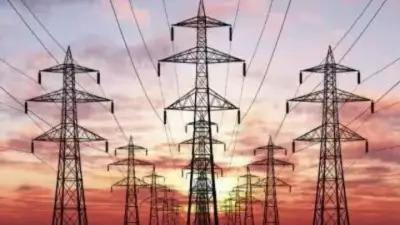
In a significant policy shift aimed at bolstering its financial resources, the Himachal Pradesh government has decided to monetise the free power it receives from hydropower projects. The state, which is entitled to a portion of the electricity generated as royalty, will now sell this power to commercial consumers instead of providing it for free to certain categories of its own residents.
A New Revenue Model for the Hill State
Chief Minister Sukhvinder Singh Sukhu announced this strategic decision, revealing that the move is expected to generate substantial annual revenue. The state government anticipates earning approximately Rs 500 crore every year by selling its share of free power. This revenue will be directed towards funding various development initiatives and strengthening the state's economy.
Traditionally, Himachal Pradesh has provided free electricity up to certain limits to specific domestic consumer groups. However, the government has now identified that a more fiscally prudent approach is to channel this valuable resource into revenue generation. The power will be sold to commercial and industrial entities, which are willing to pay market or near-market rates.
Implementation and Financial Implications
The decision was taken during a recent cabinet meeting chaired by CM Sukhu. The cabinet gave its nod to amend the existing hydropower policy to facilitate this monetisation process. The state's free power entitlement, which is a royalty for allowing projects on its rivers and land, is a significant asset. By diverting it from subsidy-based domestic consumption to commercial sale, the government is unlocking its monetary value.
This initiative is part of a broader effort by the Sukhu-led administration to improve the financial health of Himachal Pradesh. The state has been exploring various avenues to increase its revenue streams without overburdening common citizens with new taxes. The Rs 500 crore target represents a major income source that can be reinvested into infrastructure, healthcare, and education.
The government believes that this model is a win-win. It allows the state to capitalise on its natural resources (water and topography suitable for hydropower) while ensuring that the power sector contributes more robustly to the state exchequer. The funds are crucial for fulfilling electoral promises and supporting welfare schemes.
Context and Future Outlook
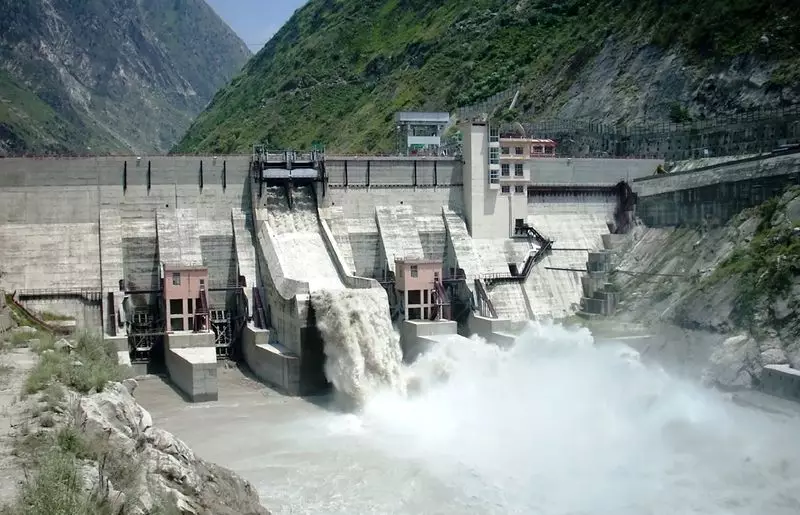
Himachal Pradesh, with its abundant rivers and steep gradients, is a powerhouse for hydropower generation in India. Numerous projects, both large and small, are operated by central agencies like NHPC and SJVNL, as well as private players. The state's share of free power from these projects is a right established through long-standing policies and agreements.
The move to monetise this free hydropower quota underscores a pragmatic approach to governance and resource management. It reflects an understanding that in a era of tight fiscal constraints, states must innovate to find sustainable revenue models. The success of this policy will depend on efficient execution, transparent bidding or sales processes, and ensuring that the generated revenue is effectively deployed for public good.
This decision is likely to be watched closely by other hill states with similar hydropower potential, as they too grapple with the challenge of balancing public welfare subsidies with the need for revenue generation for development.