Assam Chief Minister Himanta Biswa Sarma has escalated his rhetoric against the state's Bengali-origin Muslim community, openly declaring that he has instructed Bharatiya Janata Party (BJP) workers to file complaints against them as part of a strategy to "create hardship." His comments come amid ongoing controversy over the Special Revision process of the electoral roll in Assam, where numerous objections have been lodged against the inclusion of names, many falsely alleging deaths or permanent relocations.
Controversial Statements on Polarisation
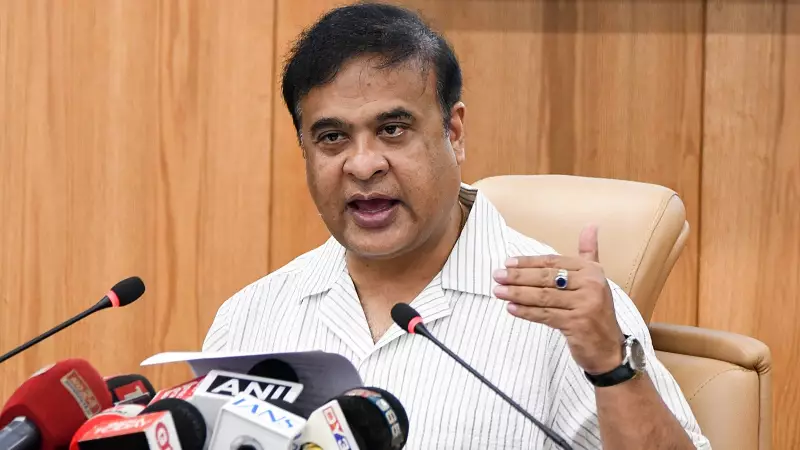
During a press interaction, Sarma explicitly stated, "Whichever complaints have happened have been on my orders. I myself have told the BJP people that they should keep giving complaints against Miyas." He emphasized that this approach is intentional, aimed at making the community "run around a little" and understand that "the Assamese people are still living." Sarma defended these actions by asserting that polarisation is necessary for survival in Assam, claiming, "for the next thirty years, we have to practice politics of polarisation if we want to live."
Background of Electoral Roll Disputes
The Special Revision process in Assam has been mired in disputes, with large-scale objections filed against individuals' inclusion in the electoral rolls. Many of these objections are based on false claims, such as stating that the person has died or permanently moved from the polling booth. Opposition parties have raised alarms, alleging that these efforts are designed to exclude valid voters, particularly from the Miya community, a term often used pejoratively for Bengali-origin Muslims in the state.

Sarma acknowledged that filing false objections using Form 7 of the Election Commission of India, which is meant for deleting names from the electoral roll, is an offence punishable by up to a year in prison, a fine, or both. However, he dismissed concerns, encouraging even journalists to "give trouble" to the community, including minor acts like underpaying rickshaw fares, to pressure them to leave Assam.
Earlier Remarks and Political Reactions
Earlier in the day, at an event in Digboi, Sarma made similar statements, predicting that a future Special Intensive Revision would lead to the removal of "4-5 lakh Miya votes." He stated, "My work is to trouble Miyas. If Miyas are not troubled, they have come and reached Duliajan," referring to a town in Eastern Assam. In response, Assam Congress President Gaurav Gogoi criticized Sarma, branding him "the Hindu Jinnah," highlighting the divisive nature of his comments.
Sarma clarified that his stance is not against all Muslims but specifically targets what he calls "Bangladeshi Muslims," distinguishing them from Assamese Muslims. He argued that the polarisation is between "Assamese and Bangladeshi," not Hindu and Muslim, framing it as a fight for cultural and political identity in the region.
Implications for Assam's Social Fabric
These statements have intensified debates over social harmony and electoral integrity in Assam. The Chief Minister's open advocacy for polarisation politics raises concerns about deepening divisions and potential discrimination against minority communities. As the state navigates these contentious issues, the impact on governance and community relations remains a critical point of discussion among policymakers and citizens alike.