

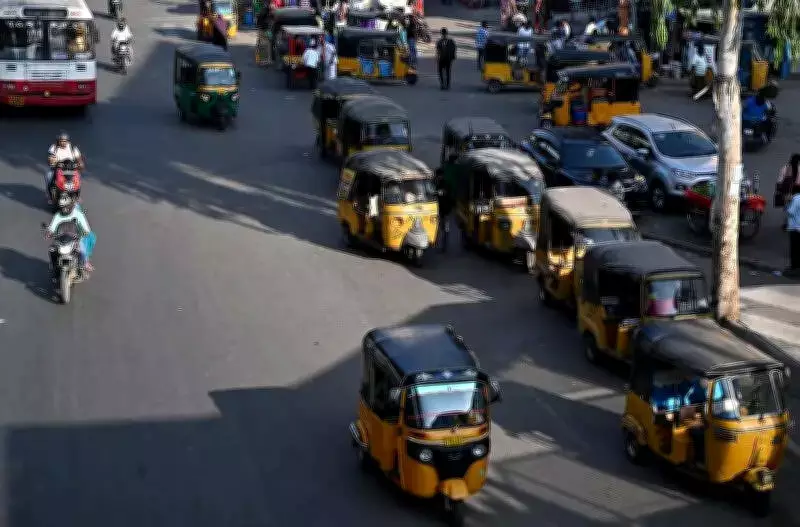
Hyderabad LPG Crisis Deepens: Auto and Cab Fares Skyrocket, Burdening Daily Commuters
The ongoing liquefied petroleum gas (LPG) crisis in Hyderabad is intensifying, creating severe financial pressure for residents who rely on auto-rickshaws and cab aggregator services for daily transportation. Over recent weeks, fares have escalated dramatically, with increases ranging from 30% to 50%, transforming routine travel into a costly and unpredictable ordeal.
Sharp Fare Hikes Hit Commuters Hard
For many Hyderabadis, what was once a manageable daily expense has become a significant financial concern. Khushi Singh, a private sector employee, highlighted the stark reality: "A three-kilometre ride that previously cost me around Rs 50 to Rs 60 now easily reaches Rs 90 to Rs 120. While it might not seem substantial for a single trip, when you travel twice daily, the cumulative impact is substantial and burdensome."
Cab users are experiencing similar challenges, reporting noticeable fare spikes across all major ride-hailing platforms. K Pavani, who commutes daily from Masab Tank to Gachibowli for work, expressed frustration: "Even during non-peak hours, prices are unusually elevated. Previously, I could depend on cabs being affordable and readily available, but now I must carefully reconsider before booking any ride."

Reduced Vehicle Availability and Additional Charges
Compounding the fare increases is a noticeable decline in vehicle availability. Commuters are facing extended waiting periods, particularly during peak travel times. Pavani shared her experience: "Last evening, I waited nearly 25 minutes for an auto-rickshaw. Earlier, I could secure one within five minutes. Now, every journey feels like an uncertain gamble."
In numerous instances, passengers have encountered demands for supplementary charges from drivers, who cite ongoing gas shortages as justification. Shafa Suleman, a college student traveling from Secunderabad to Begumpet, explained: "Some drivers request an extra Rs 20 to Rs 30, claiming they are struggling to locate LPG. If we refuse, they either cancel the ride outright or engage in arguments."
Auto Drivers Defend Fare Increases Amid Gas Shortages
Independent auto-rickshaw drivers have also raised fares, often without adhering to fixed rate structures. Rajesh, an auto driver, defended these practices: "We have limited alternatives. Gas is not readily accessible, and we spend hours waiting in queues. The additional charges are necessary to offset our losses and cover increased operational costs."
Limited Relief from Public Transport Alternatives
While government authorities have attempted to alleviate the burden by implementing a 30% fare reduction on AC Metro and Metro Deluxe buses, commuters report that this relief is insufficient. Shafa Suleman elaborated: "Buses are excessively overcrowded, and last-mile connectivity remains a major challenge. You might save money on the ticket, but you expend considerable time and energy navigating through dense crowds."
Metro services are witnessing a significant surge in ridership, frequently operating beyond their intended capacity. Khushi Singh noted: "Trains are packed during rush hours. Commuters face a difficult choice: squeeze into overcrowded Metro coaches or incur higher expenses on auto-rickshaws and cabs."
The LPG crisis in Hyderabad is not merely a transportation issue but a multifaceted problem affecting daily life, household budgets, and urban mobility. As fuel shortages persist, residents continue to grapple with escalating costs, reduced convenience, and the broader economic implications of this ongoing crisis.






