

Hyderabad Mosques Redefine Community Role During Ramzan Season
This Ramzan, numerous mosques across Hyderabad have significantly broadened their community engagement, moving beyond purely spiritual functions to address pressing social and civic needs. The initiative represents a deliberate shift toward balancing religious observance with practical support for everyday affairs, particularly targeting education, healthcare, and electoral participation.
Voter Awareness Takes Center Stage
A primary focus this year has been raising awareness about the upcoming Special Intensive Revision (SIR) of the voters' list. The Royal Mosque in Public Gardens established dedicated counters to assist residents in verifying their names on the SIR 2002 list, which forms the foundation for the impending SIR 2026 revisions in Telangana and Andhra Pradesh. Simultaneously, Masjid-e-Azizia in Humayunagar organized special informational sessions to educate the community about the necessary documentation required for inclusion if individuals or their parents are missing from the previous electoral rolls.
Educational and Financial Empowerment Initiatives
Several mosques have launched comprehensive educational programs to support students. Coaching classes for school, college, and competitive examinations like NEET and EAMCET are now regularly conducted. Additionally, civil services examination guidance is provided at select locations. The Chowk-ki-Masjid operates an extensive library serving students and research scholars, recently enhanced by a 2.28 crore renovation grant from Deputy Chief Minister Mallu Bhatti Vikramarka.

Financial inclusion efforts include interest-free gold loans offered through mutually aided cooperative credit societies. Masjid-e-Baqi in Banjara Hills has established such a society, with approximately half a dozen other mosques running similar initiatives to provide accessible credit without interest.
Healthcare and Community Welfare Expansion
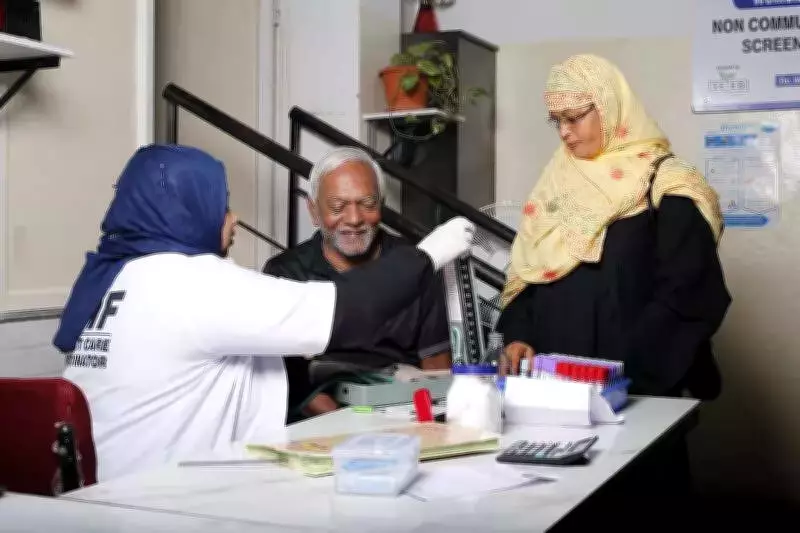
The movement toward social service began approximately five years ago when mosques started repurposing vacant spaces for clinics, gyms, and hospitals equipped with laboratories and minor operation theaters. They played a crucial role during vaccination campaigns in old Hyderabad, especially when parental resistance to childhood immunization was prevalent. Regular health lectures by prominent doctors on medical care and wellness are now standard features.
Fostering Dialogue and Civic Responsibility
Community leaders including Syed Mohsin Ali, Raza Mohammed, and Abdul Samad have introduced sessions to promote civic responsibility among Muslim youth. Interfaith dialogues are organized to enhance communal harmony and national integration. The Royal Mosque also hosts alternative dispute resolution mechanisms under the legal services authority, managed by Dr Maulana Hafiz Abdul Rahman Al Hamoomi.
Zakir Hussain, an educationist and former Salarjung Museum Board member, emphasized the historical context: "In early Islamic periods, mosques were hubs for social, cultural, and educational awareness. While they became primarily religious spaces in modern times, there is now a growing trend to revive their broader community role, particularly to support underprivileged sections."
Mohammed Abdul Lateef, involved in educational activities, noted the expanding social functions, while Mouzam Hussain of MS Education Academy highlighted the academic support systems being institutionalized. This Ramzan has seen an unprecedented number of mosques embracing these multifaceted roles, signaling a sustainable transformation in their community impact.






