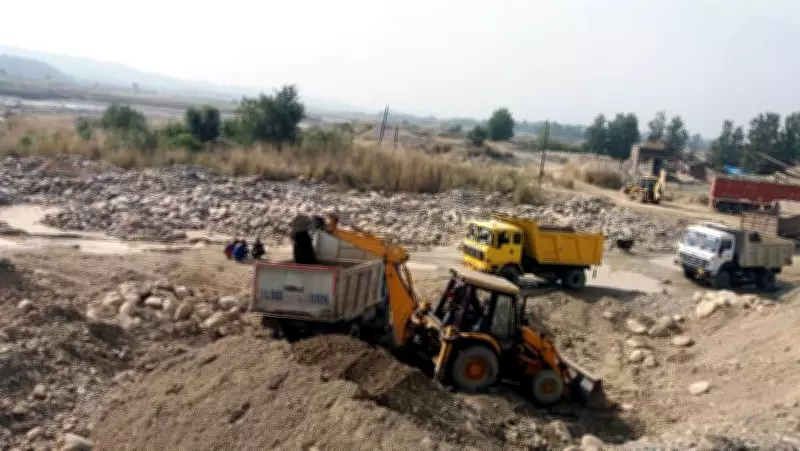
Illegal Mining Activities Continue on ED-Attached Land in Ropar
In a blatant defiance of legal orders, illegal sand mining operations are reportedly continuing on a 12-acre plot of land in Ropar district, Punjab, which has been formally attached by the Enforcement Directorate (ED). This ongoing activity highlights significant gaps in enforcement and raises urgent questions about environmental degradation and regulatory oversight in the region.
Details of the Attached Property and Violations
The land in question, located in the Ropar area, was attached by the ED as part of a broader money laundering investigation. Despite this legal action, local reports indicate that mining activities have not ceased. Sources reveal that heavy machinery, including excavators and trucks, are being used to extract sand illegally, often under the cover of darkness to avoid detection.
This persistent illegal mining poses severe environmental risks, including soil erosion, depletion of groundwater levels, and disruption of local ecosystems. Additionally, it undermines the legal framework established to combat financial crimes and protect natural resources.

Enforcement Challenges and Legal Implications
The continuation of mining on ED-attached land points to serious enforcement challenges. Authorities, including the local police and mining department, appear to be struggling to curb these activities effectively. This situation suggests possible collusion or negligence among officials, which could exacerbate the problem.
From a legal perspective, operating on attached property constitutes a clear violation of court orders and could lead to additional charges against those involved. The ED's attachment is meant to prevent any disposal or use of the asset during investigations, making these ongoing activities a direct challenge to judicial authority.
Impact on Local Communities and Environment
Local residents have expressed growing concerns over the environmental and social impacts of the illegal mining. The unchecked extraction of sand is leading to:
- Increased air and noise pollution from machinery
- Damage to agricultural lands and water sources
- Potential safety hazards due to unregulated mining pits
Community leaders are calling for immediate intervention by higher authorities to halt these operations and hold perpetrators accountable. They emphasize the need for sustainable mining practices that balance economic interests with environmental conservation.
Authorities' Response and Future Steps
While the ED has attached the land, on-ground enforcement relies on local agencies. Reports suggest that periodic raids have been conducted, but these have failed to stop the mining permanently. Experts recommend a multi-agency approach, involving the ED, police, and environmental departments, to ensure compliance.
Moving forward, it is crucial for authorities to:
- Strengthen surveillance and patrols in the area
- Impose stricter penalties on violators
- Enhance coordination between state and central agencies
The persistence of illegal mining on ED-attached land in Ropar serves as a stark reminder of the ongoing challenges in resource governance in Punjab. It underscores the need for robust legal frameworks and vigilant enforcement to protect both the environment and the rule of law.