Forest Department Clears Encroachments on Bhimashankar Temple Approach Road
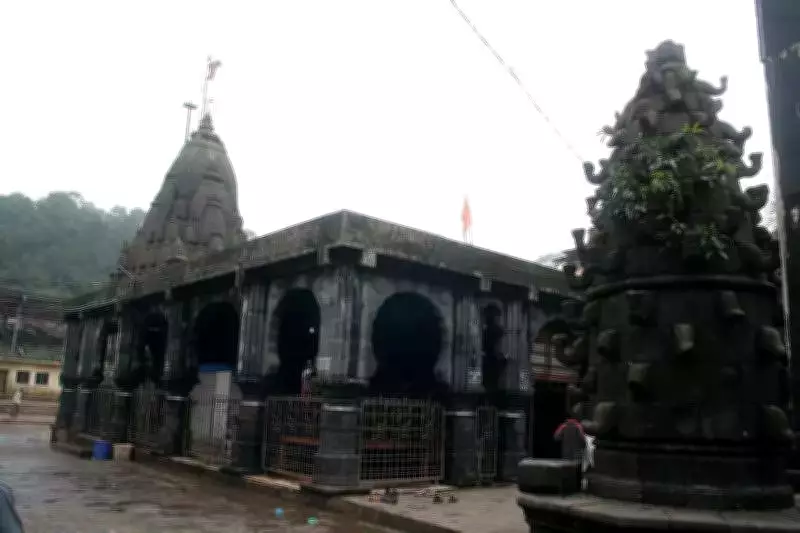
The Junnar forest division in Pune has undertaken a significant demolition drive over the past two days, removing multiple illegal structures along the narrow approach road leading to the revered Bhimashankar temple. This action is part of a broader initiative to facilitate ongoing conservation efforts at this historic shrine, which holds immense religious significance as one of India's 12 jyotirlingas.
Conservation Efforts and Kumbh Mela Preparations
Forest officials emphasized that the primary objective behind the demolition is to ensure the timely completion of conservation work before the monsoon season arrives. The presence of unauthorized shops and structures along the already constrained approach road was severely hampering both pedestrian traffic and the movement of vehicles transporting essential construction materials required for the temple's restoration project.
"With the steady increase in pilgrim numbers and the anticipated surge during the Kumbh Mela 2027, clearing these encroachments became absolutely necessary," stated a senior forest department official. He further explained that multiple notices had been served to the encroachers over an extended period, but compliance was not forthcoming.

"Despite repeated notices, the encroachments were not removed. Ultimately, we had to deploy earth movers to clear the area," the official added, assuring that all actions were carried out strictly in accordance with established procedures.
Local Shopkeepers Voice Strong Resentment
The demolition drive has, however, ignited substantial resentment among local shopkeepers whose livelihoods have been directly impacted. Many affected individuals claim that these roadside stalls represented their sole source of income, particularly for residents of villages surrounding the pilgrim town who depend heavily on seasonal earnings from temple visitors.
"We earn whatever little money we make from these shops. If the government wants to remove us, it should provide us with a designated place to set up stalls," expressed one local shopkeeper whose structure was demolished. "The authorities cannot completely ignore our financial condition and the profound impact such drives have on our families."
Shopkeepers highlighted that most of them own small agricultural plots where they cultivate rice during the monsoon, but this land remains dry and unproductive for the remainder of the year. Consequently, they have limited alternatives beyond relying on small businesses connected to pilgrimage tourism.
Calls for Rehabilitation and Alternative Solutions
The affected community has now demanded that authorities implement rehabilitation measures, including the allocation of alternative vending zones, to prevent catastrophic livelihood losses. Local activist Ashok Shengale echoed these concerns, noting the long-standing presence of these shops.
"These shops have been there for many years. The authorities should have addressed the issue when they were initially established. Some shopkeepers had even invested significant funds in constructing proper shops. This represents a substantial loss for them," Shengale remarked. He advocated for the creation of a separate, authorized zone where vendors could operate without fear of displacement.
Official Focus on Heritage and Pilgrim Safety
In response, forest officials reiterated that their paramount focus remains the conservation of this heritage site and ensuring the safety and convenience of pilgrims. They clarified that any decisions regarding rehabilitation or alternative arrangements would need to be taken by the concerned administrative departments, emphasizing that their immediate mandate is centered on environmental and structural preservation ahead of major religious events.
The demolition drive underscores the ongoing tension between developmental and conservation priorities on one hand, and the socio-economic realities of local communities on the other, as Pune prepares for increased pilgrim influx in the coming years.