IPS Officer in Madhya Pradesh Proposes Interfaith Reading Initiative
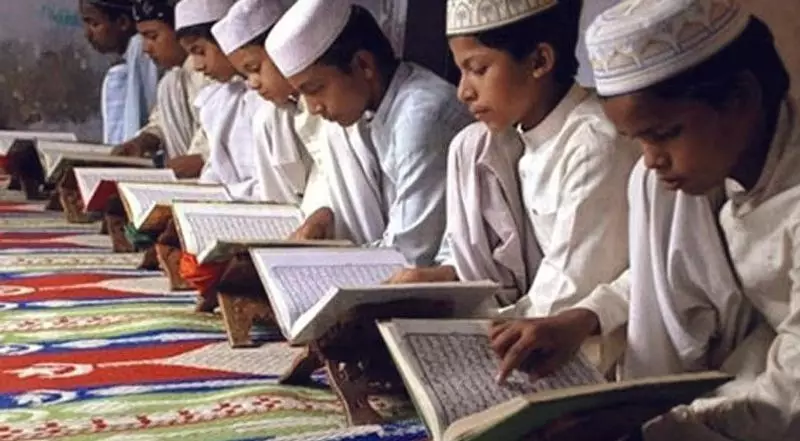
An Indian Police Service (IPS) officer serving in Madhya Pradesh has ignited a significant conversation on religious education and harmony by making a notable suggestion to students at a local madrasa. The officer proposed that the students should consider reading the Bhagavad Gita, a revered Hindu scripture, in addition to their study of the Quran, the holy book of Islam. This recommendation aims to promote a broader understanding of different faiths and encourage interreligious dialogue among young learners.
Details of the Officer's Statement
The IPS officer, whose identity and specific posting location have not been widely disclosed in initial reports, made this suggestion during an interaction with madrasa students in Madhya Pradesh. According to sources, the officer emphasized the importance of being well-versed in multiple religious texts to cultivate tolerance and mutual respect in a diverse society. The Bhagavad Gita, part of the Indian epic Mahabharata, is a key philosophical text in Hinduism, while the Quran is central to Islamic teachings.
Reactions and Implications
This proposal has elicited mixed reactions from various quarters. Supporters argue that such an initiative could enhance communal harmony and reduce misunderstandings between different religious communities. They believe that exposure to diverse scriptures can foster empathy and a more inclusive worldview among students. On the other hand, critics have raised concerns about the appropriateness of suggesting religious texts from another faith in a madrasa setting, which traditionally focuses on Islamic education. Some view it as an overreach or an attempt to influence religious practices.

The incident highlights ongoing debates about religious education in India, particularly in the context of madrasas, which are Islamic educational institutions. In recent years, there have been discussions about modernizing madrasa curricula to include secular subjects, but the inclusion of texts from other religions remains a sensitive topic. This suggestion by the IPS officer adds a new dimension to these conversations, touching on issues of religious freedom, educational autonomy, and national integration.
Broader Context in Madhya Pradesh and India
Madhya Pradesh, a state with a diverse religious demographic including significant Hindu and Muslim populations, has seen various initiatives aimed at promoting interfaith dialogue. The state government and civil society organizations have occasionally organized events to encourage understanding between communities. However, suggestions like this one from a law enforcement officer are relatively rare and can attract public attention due to their potential impact on social dynamics.
In the broader Indian context, where religious diversity is a hallmark of society, such proposals often spark discussions on secularism and cultural exchange. The Indian Constitution advocates for secularism and the right to religious freedom, but practical implementations can vary. This incident underscores the delicate balance between promoting interfaith harmony and respecting religious boundaries in educational settings.
As the story develops, it may prompt further dialogue among educators, policymakers, and community leaders about the role of religious texts in fostering unity. Whether this suggestion leads to any formal changes in madrasa curricula or remains a topic of debate, it serves as a reminder of the ongoing efforts to build a more cohesive society in India.