YSRCP Chief Jagan Mohan Reddy Alleges Government Suppression of Opposition Voice
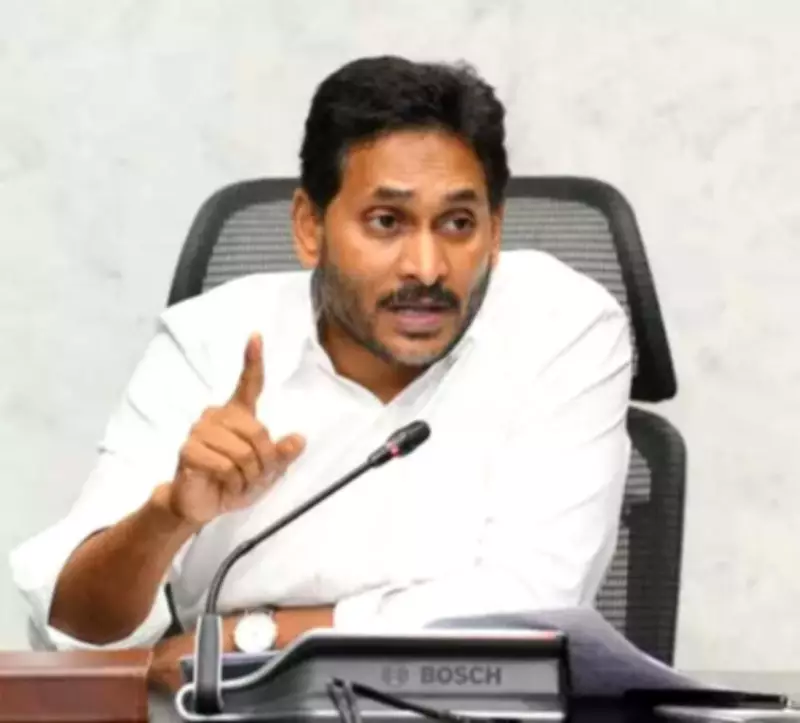
In a strongly worded address to party legislators, former Andhra Pradesh Chief Minister and YSR Congress Party (YSRCP) President YS Jagan Mohan Reddy has leveled serious accusations against the state government. He claimed that the administration is deliberately denying YSRCP its rightful recognition as the principal opposition party in an effort to silence its critical voice.
Government Accused of Deliberate Marginalization
Speaking at the party's central office in Vijayawada on Thursday, Jagan Mohan Reddy expressed frustration over what he described as systematic marginalization. "Despite being the only opposition party in the House, YSRCP is not being given adequate time to raise the voice of the people," he stated emphatically.
The YSRCP leader elaborated that this denial of proper speaking opportunities has forced his party to take public issues directly to media platforms. "The government does not want our voice to be heard. Even though we are the sole opposition, we are denied a proper opportunity to speak. That is why we are forced to take people's issues to the media," Jagan remarked during his address to party MLCs.

Strategic Directive for Legislative Council Sessions
Jagan Mohan Reddy issued clear directives to YSRCP Members of Legislative Council (MLCs) regarding their approach to ongoing council sessions. He emphasized that the party possesses considerable strength in the legislative council and must leverage this platform more effectively.
The opposition leader outlined a comprehensive strategy for council participation:
- Study every subject in depth before council discussions
- Come fully prepared with verified facts and supporting data
- Raise issues in a structured, systematic manner
- Question government failures fearlessly without hesitation
- Highlight hardships faced by various sections of society
"Only through thorough preparation can we compel the government to respond and be accountable," Jagan emphasized, urging his party members to function with greater aggression during council proceedings.
Specific Allegations and Controversies Cited
The YSRCP president referenced several specific controversies to support his allegations of government suppression. Regarding the Tirupati laddu controversy, Jagan claimed that cases and attacks against several YSRCP leaders were direct consequences of questioning the government.
He specifically mentioned the movement of rejected ghee tankers back into circulation, alleging this occurred following the change in government. "Established testing procedures were in place in TTD (Tirumala Tirupati Devasthanams), and rejection of substandard consignments happened during earlier periods as well," Jagan recalled, demanding clear answers from those in power.
Broader Accusations of Governance Failures
Expanding his criticism beyond procedural issues, Jagan Mohan Reddy described the current coalition rule as a "chain of scams" and made specific allegations regarding land allocation. He claimed that prime land in Visakhapatnam had been improperly allotted to relatives of the chief minister.
The opposition leader called upon party members to maintain relentless pressure in the council while staying sincere in their efforts and closely connected with the public. He assured YSRCP leaders that dedication and commitment to people's causes would ultimately earn them both recognition and political dividends.
Political Context and Implications
This development occurs within the broader context of Andhra Pradesh's political landscape, where YSRCP finds itself in opposition following recent electoral changes. Jagan Mohan Reddy's directives signal a strategic shift toward more confrontational legislative tactics aimed at holding the government accountable.
The emphasis on thorough preparation and aggressive questioning suggests YSRCP intends to use the legislative council as a primary platform for challenging government policies and highlighting what it perceives as governance failures. This approach reflects growing frustration with what the party views as diminishing space for legitimate opposition activities within formal legislative processes.