Jaipur Transport Department Enforces Strict Video-Based Verification for Vehicle Fitness Certificates
The state transport department in Jaipur has rolled out stringent new guidelines to ensure that vehicle fitness certificates are issued only after mandatory physical verification, with warnings of FIRs against centers found violating the norms. This move aims to curb the issuance of illegal fitness certificates without proper inspection, addressing long-standing concerns over fraudulent practices in the vehicle certification process.
New Inspection Limits and Video Requirements
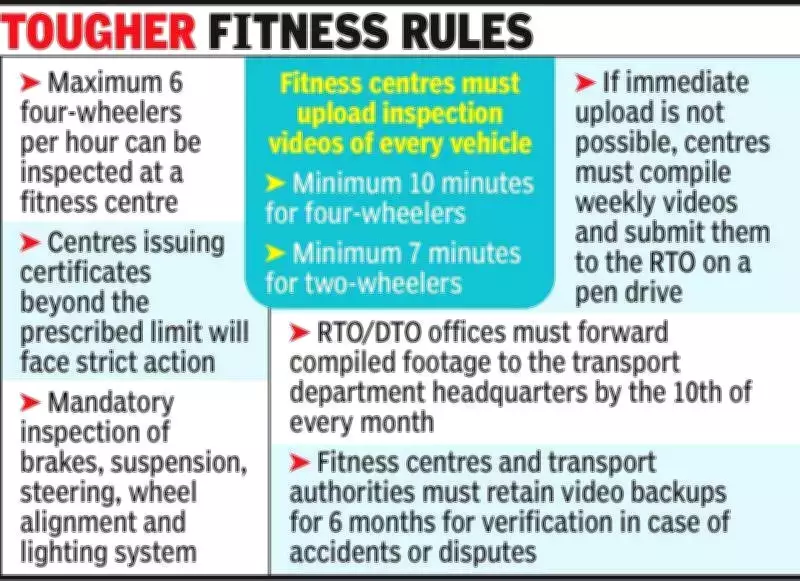
To prevent the illegal issuance of fitness certificates, the department has imposed a cap of six vehicle inspections per hour at fitness centers. Officials stated that this limit is designed to ensure thorough physical checks of each vehicle, allowing inspectors adequate time to examine critical components. A senior transport department official elaborated, "Strict guidelines have been issued to curb cases of illegal fitness certificates being issued to vehicle owners without proper inspection. Fitness centers will now have to upload a 10-minute video for a fitness check of a four-wheeler and a 7-minute video for issuing a fitness certificate for a two-wheeler."
The video footage must clearly display the vehicle's registration number, chassis number, inspecting officer, and driver. Only videos meeting these criteria will be considered valid for submission. Officials emphasized that if more than six four-wheelers are issued fitness certificates within an hour—a detail that can be verified through the Ministry of Road Transport and Highways portal—action will be initiated against the concerned fitness center.
Mandatory Component Checks and Compliance Measures
Fitness centers have been directed to compulsorily examine essential components such as brakes, suspension, steering, wheel alignment, and lighting systems, among others. This comprehensive inspection protocol is intended to enhance road safety by ensuring vehicles are in proper working condition before certification.
In cases where a center is unable to upload inspection videos to the department's online portal, it must compile weekly footage and submit it to the regional transport office on a pen drive. RTO and DTO offices are then required to forward the compiled videos to the transport department headquarters by the 10th of every month. All inspection footage must be preserved by fitness centers and authorities for six months to enable cross-verification in the event of accidents or disputes, providing a robust audit trail.
Enhanced Accountability and Fraud Prevention
The new guidelines represent a significant step towards increasing accountability in the vehicle fitness certification process. By mandating video evidence and capping inspection rates, the transport department aims to eliminate shortcuts and ensure that every vehicle undergoes a rigorous check. This initiative is expected to reduce the number of unfit vehicles on the roads, thereby contributing to improved traffic safety and compliance with regulatory standards.
Officials have warned that strict penalties, including the filing of FIRs, will be enforced against centers that fail to adhere to these norms. The integration of digital verification through video uploads and portal monitoring is set to streamline the certification process while minimizing opportunities for corruption and negligence.