Jaipur's Ambitious Riverfront Project Confronts Severe Pollution Crisis
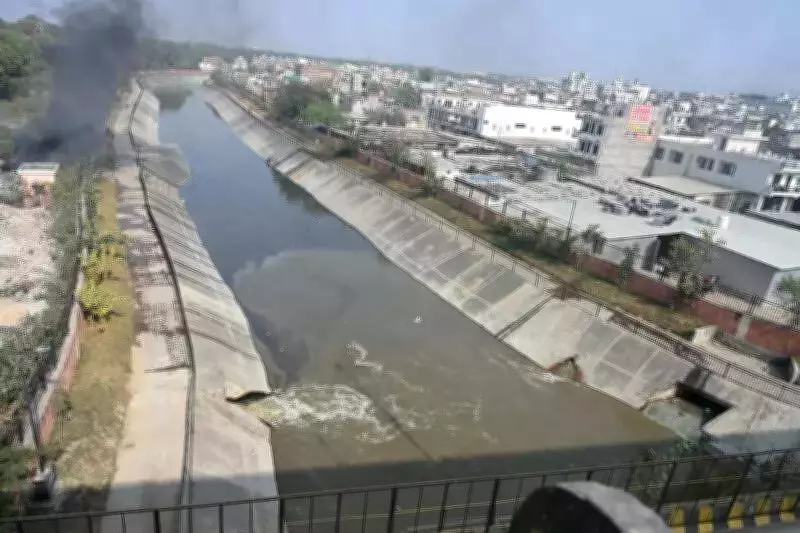
The Jaipur Development Authority's visionary plan to redevelop stretches of the rain-fed Dravyavati River, inspired by Mumbai's iconic Chowpatty, has encountered a significant environmental obstacle. Critical sections of the river are now heavily contaminated with toxic foam and untreated sewage, threatening the entire redevelopment initiative.
Urgent Inspection Reveals Alarming Conditions
The pollution situation escalated to such serious levels that Urban Development and Housing Secretary Debasish Prusty conducted an emergency site inspection on Saturday. Following this high-level visit, JDA engineers immediately began implementing measures to control the contamination and restore normal environmental conditions along the affected river stretches.
Root Causes of the Pollution Crisis
A senior JDA engineer provided crucial background information about the project's history and current challenges. During the previous Vasundhara Raje government's administration, the authority had initiated the Dravyavati Restoration Project with Tata Projects serving as the turnkey contractor. As part of this comprehensive restoration work, four Sewage Treatment Plants with a combined capacity of 170 million liters per day were constructed along the riverbank specifically to treat contaminated drain water before it entered the Dravyavati River system.

The engineer revealed that the pollution problem actually intensified after these treatment plants became operational. This paradoxical situation developed when the Jaipur Municipal Corporation allegedly connected additional drainage lines directly to the river without obtaining proper approval from the JDA. These newly connected lines bypassed all treatment facilities entirely, resulting in untreated sewage flowing directly into the Dravyavati River system.
Temporary Solution and Future Plans
"We had originally planned to construct another STP along the riverbank," the engineer explained. "However, a court case regarding land acquisition has delayed that project indefinitely. Following Secretary Prusty's inspection, we have identified a temporary but effective solution."
The proposed temporary arrangement involves connecting the problematic additional drainage lines to a previously defunct old STP located at Taru Chaya Nagar in the Pratap Nagar area. JDA officials plan to restore this treatment facility and connect the unauthorized drainage lines to it as soon as possible. The old STP has a treatment capacity of 60-65 MLD, while the current unauthorized sewage inflow polluting the river is estimated at 10-15 MLD.
Another official added important context about the project's future: "Once we complete this temporary connection and treatment solution, we will resume our bank development plans. We are currently in the process of identifying specific stretches that can be developed as Chowpatty-style recreational areas along the Dravyavati River."
Broader Implications and Project Timeline
Officials emphasized that while the proposed STP connection represents a temporary measure, it should prove effective in addressing the immediate pollution crisis. The situation highlights the complex coordination challenges between different municipal authorities and the importance of integrated urban planning for environmental projects.
The Dravyavati River redevelopment project, once completed, aims to transform neglected river stretches into vibrant public spaces similar to Mumbai's famous Chowpatty beach area. However, the current pollution crisis underscores the environmental rehabilitation that must precede any aesthetic or recreational development along urban waterways.