Jaipur Transport Employees Stage Protest Over Unresolved Demands
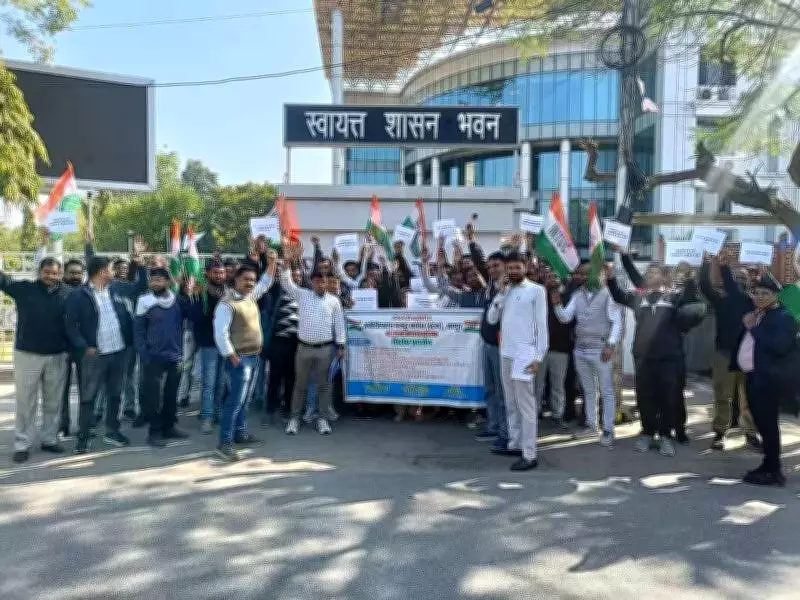
Employees of the Jaipur City Transport Services Limited (JCTSL) organized a significant protest outside the DLB headquarters on Thursday, voicing their frustration over the prolonged inaction regarding their long-standing demands. The demonstration highlighted growing discontent among the workforce, who have been awaiting concrete steps from the administration for an extended period.
Trigger for the Protest: Unaddressed Demands and Meeting Delays
The protest was primarily sparked by the failure to address 14 key demands raised by the employees, coupled with a notable delay in officially issuing the minutes of a crucial meeting held on January 21. According to the protesting staff, this meeting was attended by high-ranking officials, including the JCTSL chairman, chief financial officer, managing director, and officer on special duty. Despite engaging in detailed discussions during the session, no tangible progress has been made on the demands, and the minutes remained unreleased even after eight days, exacerbating employee grievances.
Employee Perspectives and Official Responses
Babulal Nangli, the president of the JCTSL union, expressed strong dissatisfaction with the situation, labeling the delay as unfair to the employees. He emphasized that while the January 21 meeting involved senior officials, the lack of official documentation from the discussions has left workers in the dark about potential resolutions. In response, JCTSL Managing Director Narayan Singh acknowledged that the minutes were finally uploaded on Thursday. However, he clarified that addressing the employees' demands necessitates thorough discussion and actionable steps, which will inherently require additional time to implement effectively.

Broader Implications for Jaipur's Transport Sector
This protest underscores ongoing challenges within Jaipur's public transport system, where employee welfare and administrative responsiveness remain critical issues. The incident raises questions about communication gaps and procedural delays that could impact service delivery and workforce morale. As the city continues to grow, ensuring timely resolution of such disputes is essential for maintaining efficient transport operations and fostering a positive work environment for all stakeholders involved.