

JD(S) Mysuru Turmoil Intensifies as Leaders Clash Over Chamundeshwari Constituency Future
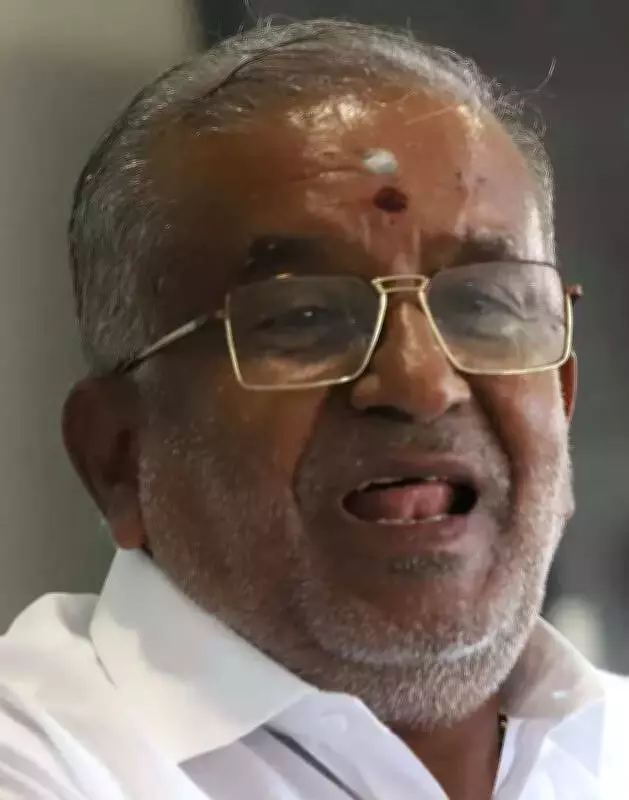
The internal strife within the Janata Dal (Secular) Mysuru district unit has escalated dramatically, with senior leaders engaging in a public war of words over the party's strategy for the Chamundeshwari constituency ahead of the 2028 Assembly elections. The conflict pits disgruntled former minister G T Devegowda against JD(S) working president S R Mahesh, revealing deep fissures within the regional party.
Devegowda Reasserts His Claim and Influence
Sitting MLA G T Devegowda, who represents Chamundeshwari, has firmly declared his intention to seek the party ticket once again for the 2028 polls. Speaking in Jayapura, Devegowda emphasized that his next political move would be guided by the wishes of party workers in his constituency. "I will take my next step as directed by the party workers," he stated, positioning himself as a grassroots leader attuned to local sentiment.
Devegowda bolstered his claim by referencing a recent meeting in Delhi with around 25 party members and former prime minister H D Deve Gowda. According to him, the senior Gowda appreciated his work and described him as a strong voice for the party. "The former PM indicated that had I been the opposition leader, I would have ensured the party's voice was heard inside the Assembly," Devegowda recounted, suggesting high-level endorsement.

Asserting his dominance in the region, Devegowda claimed he had built the party "single-handedly" in his area and had never faced electoral defeat. He highlighted comparative successes, noting that while his area secured seven zilla panchayat seats, KR Nagar—associated with Mahesh—won only two. This was a clear dig at Mahesh, who is a close aide of Union minister H D Kumaraswamy.
Devegowda also dismissed persistent rumors about his son, MLA G D Harish, shifting from Hunsur to Chamundeshwari. "He will contest from Hunsur in the 2028 elections," he clarified, aiming to quell speculation about family political maneuvers.
Mahesh Counters: Kumaraswamy Has Decided on a New Face
JD(S) working president and former MLA S R Mahesh delivered a sharp rebuttal to Devegowda's assertions, stating unequivocally that Union minister H D Kumaraswamy has already decided to field a new candidate from Chamundeshwari. "Devegowda is no longer with us. Kumaraswamy has made this clear, and the matter is closed," Mahesh declared, signaling a firm stance from the party leadership.
However, Mahesh added a note of deference to party hierarchy, saying he would abide by any future decision taken by the high command, leaving a slight opening for potential reconciliation or review.
Mahesh revealed that the party is currently in the process of identifying a loyal leader who has stood firmly with JD(S) through both prosperous and challenging times to contest from Chamundeshwari. "Kumaraswamy's decision is final," he emphasized, reinforcing the authority of the working president.
In a pointed attack on Devegowda's loyalty, Mahesh questioned the MLA's commitment, alleging that Devegowda had acted against the party's interests during cooperative elections. "The party high command has taken these decisions after closely observing his commitment, integrity, and loyalty," Mahesh stated, implying that Devegowda's past actions have led to his sidelining.
Broader Implications for JD(S) Unity
This public feud underscores significant internal tensions within JD(S) as it prepares for future electoral battles. Key points of contention include:

- Leadership Authority: The clash highlights a power struggle between local stalwarts like Devegowda and the central leadership represented by Kumaraswamy and Mahesh.
- Ticket Distribution: Disputes over candidate selection for key constituencies like Chamundeshwari could impact party cohesion and electoral performance.
- Grassroots vs. High Command: Devegowda's appeal to party workers contrasts with Mahesh's emphasis on top-down decisions, reflecting differing visions of party democracy.
- Historical Loyalties: Accusations about past disloyalty during cooperative elections add a layer of historical grievance to the current conflict.
The outcome of this tussle will likely influence JD(S)'s strategy in Mysuru and its ability to present a united front in the run-up to the 2028 elections. With both sides digging in their heels, the party faces a critical test of internal discipline and conflict resolution.





