Jind's LPG Crisis: Long Queues and Black Market Flourish Amid Official Denials
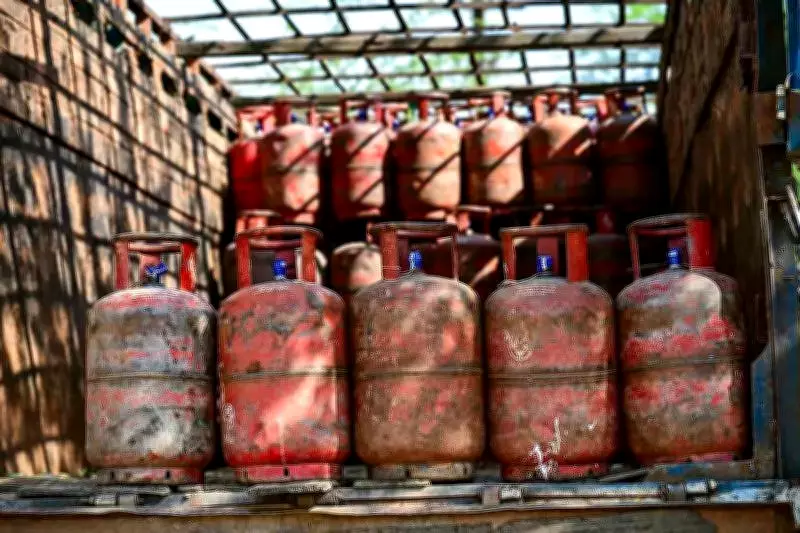
Chaos has gripped gas agencies across Jind district in Haryana as a persistent shortage of cooking gas leaves residents stranded in dawn-to-dusk queues, despite official assurances that supplies remain stable. While the local administration maintains that LPG, CNG, and petrol stocks are sufficient, the stark reality on the ground paints a different picture of desperation and frustration.
A Daily Struggle for Basic Fuel
From 8 am each day, hundreds of women and elderly residents line up outside agencies, often returning empty-handed after hours of exhausting waiting. The crisis has reportedly given birth to a burgeoning black market, with some consumers claiming they have been forced to pay premiums of up to ₹300 to secure a single cylinder. This unofficial economy thrives as official channels fail to meet basic household needs.
Digital Systems Fail as Communication Breaks Down
A significant hurdle for consumers is the sudden failure of traditional communication channels. Many residents report that the dedicated mobile numbers provided by gas agencies are no longer functional. In a problematic digital shift, bookings are now primarily being processed through third-party apps like Google Pay and PhonePe. Agency staff have blamed frequent booking outages on "backend issues", leaving customers without any clear timeline for relief.
With digital systems flickering unpredictably, the priority for most families has shifted to physical presence, with queues forming long before agency doors even open. This return to analog solutions highlights the breakdown in modern distribution systems.
Conflicting Narratives Between Officials and Public
The food and supplies department along with local police have launched an inspection campaign to curb hoarding and illegal sales. However, officials have subtly shifted blame toward the public, categorizing the crisis as "panic buying". One official stated, "People are believing rumors and are getting all their empty cylinders refilled at once. Gas supply is being provided as usual process."
Conversely, residents describe a "severe shortage" that directly contradicts the government's stance. One consumer, speaking on condition of anonymity, revealed that despite having a valid booking, they waited several days before eventually paying an extra ₹300 to an unauthorized seller just to keep their kitchen running. This gap between official data and lived experience continues to widen daily.
Elderly and Vulnerable Bear the Brunt
The slow distribution process has taken a physical toll on Jind's most vulnerable populations. Elderly citizens and women bear the brunt of the extensive wait times, standing for hours in lines that snake through the city's streets. With no satisfactory explanation from agency managers, frustration mounts among those least equipped to handle such physical demands.
The situation in Jind reflects broader challenges in fuel distribution and public trust, as residents navigate between official assurances and their daily reality of empty cylinders and endless queues.