

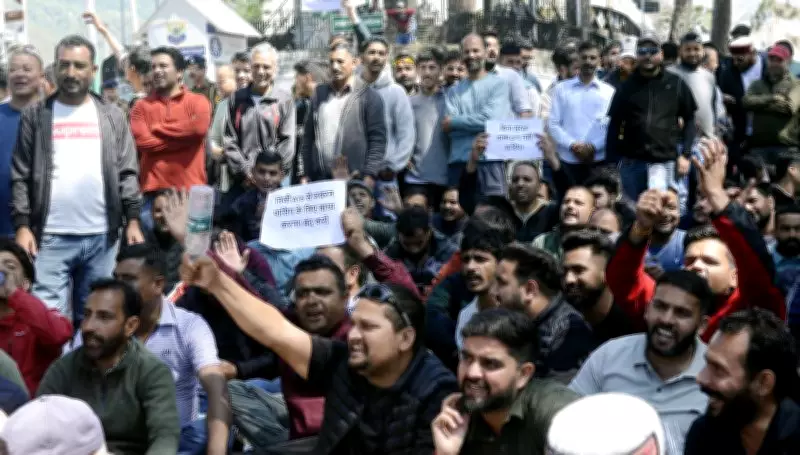
Kangra District Faces Complete Shutdown Amid Transport Unions' Protest
The bustling district of Kangra in Himachal Pradesh came to a grinding halt as transport unions launched a widespread protest against the newly implemented centralized testing system. The demonstration, which began early in the morning, effectively paralyzed normal life, bringing all vehicular movement to a standstill and causing significant disruptions across the region.
Protest Against Centralized Testing System
Transport unions, representing a large coalition of drivers and vehicle operators, organized the protest to voice their strong opposition to the central government's move to introduce a unified testing mechanism for commercial vehicles. According to union leaders, this new system imposes undue financial burdens and operational challenges on local transporters, who argue that it fails to account for regional specificities and infrastructure limitations.
The protest saw a massive turnout, with hundreds of union members blocking key roads and highways, including major entry and exit points in Kangra. Public transport services, including buses and taxis, were completely suspended, leaving commuters stranded and forcing many businesses to shut down for the day. Essential services also faced delays, though emergency vehicles were reportedly allowed passage after negotiations.

Impact on Daily Life and Economy
The shutdown had a profound impact on the daily routines of residents and the local economy. Markets remained closed, schools and colleges suspended operations, and government offices reported minimal attendance. The tourism sector, a vital part of Kangra's economy, was particularly hard hit, with reports of canceled bookings and stranded tourists unable to reach popular destinations like Dharamshala and McLeod Ganj.
Local business owners expressed frustration over the losses incurred, estimating that the protest led to a significant drop in revenue for shops, hotels, and transportation services. Farmers and traders were unable to transport goods to markets, exacerbating supply chain issues and raising concerns about food shortages if the protest prolonged.
Union Demands and Government Response
Transport union representatives outlined their key demands during the protest, which include:
- Immediate withdrawal of the centralized testing system.
- Consultation with local stakeholders before implementing such policies.
- Financial support to offset the costs associated with the new testing requirements.
- Improved infrastructure to facilitate smoother testing processes.
State government officials acknowledged the protest and stated that they are in talks with union leaders to address their grievances. A spokesperson for the Himachal Pradesh transport department emphasized that the centralized system aims to standardize vehicle safety and reduce corruption, but assured that feedback from unions would be considered for possible modifications.
Broader Implications and Future Outlook
This protest highlights growing tensions between central policy initiatives and local implementation challenges in India. Similar demonstrations have occurred in other states, raising questions about the balance between national standardization and regional adaptability. Experts suggest that such conflicts could escalate if not resolved through dialogue and compromise.
As the day ended, union leaders announced that the protest would continue until their demands are met, warning of further disruptions if no action is taken. Residents and authorities alike are hopeful for a swift resolution to restore normalcy in Kangra and prevent similar shutdowns in the future.






