

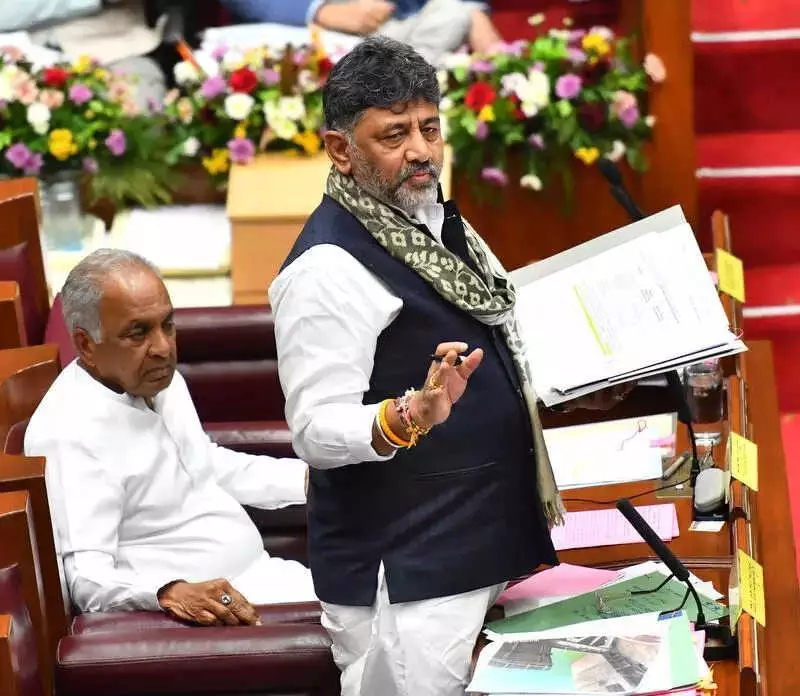
The Karnataka Legislative Assembly, meeting in Belagavi, has taken a decisive step to fortify its reservation policy against judicial scrutiny. In a unanimous move, the assembly passed a crucial resolution on Thursday, urging the central government to place the state's key reservation laws under the protective umbrella of the Constitution's Ninth Schedule.
The Push for Constitutional Protection
This resolution specifically targets the Karnataka Scheduled Castes, Scheduled Tribes and Other Backward Classes (Reservation of Appointment, etc.) Act, 1990 and the more recent Karnataka Scheduled Castes and Scheduled Tribes (Reservation of Seats in Educational Institutions and of Appointments or Posts in the Services under the State) Act, 2022. The state government argues this shield is essential because its combined reservation quota now stands at 56%, breaching the 50% ceiling established by Supreme Court precedents.
The total reservation percentage climbed to its current level after the state increased the quota for Scheduled Castes to 17% and added an extra 4% for Scheduled Tribes, based on population data. If successful, Karnataka would become only the second state to secure such constitutional armor for exceeding the quota limit. Tamil Nadu currently holds that distinction, with its 69% reservation protected under the Ninth Schedule via the 76th Constitutional Amendment Act of 1994.

A Broader Development Agenda for Northern Districts
The assembly session was not limited to reservation matters. Lawmakers also approved a significant resolution aimed at decentralizing development. It seeks the relocation of 25 out of 73 central government agencies and public sector undertakings from the congested Bengaluru-Mysuru corridor to the Kalyana Karnataka region.
This initiative, leveraging the special status granted under Article 371-J, aims to boost economic growth and improve human development indicators in six backward districts of northern Karnataka. The resolution cited Bengaluru's overburdened infrastructure as a key reason for the proposed shift.
While Opposition leader R. Ashoka of the BJP supported the proposal, he criticized the state government's follow-through, questioning what departments had actually been moved to the Suvarna Vidhana Soudha in Belagavi or the Kalyana Karnataka region so far.
Financial and Infrastructure Demands
In parallel, the assembly pushed for substantial central funds. It passed a resolution requesting Rs 5,000 crore as matching grants from the Centre for the Kalyana Karnataka Regional Development Board, drawing a parallel to the support extended to Maharashtra's Vidarbha region.
Several other key resolutions were passed, showcasing a multi-pronged development agenda:
- Establishing an AIIMS in Raichur.
- Granting national project status to the Upper Krishna Project Phase III.
- Raising ethanol blending caps to benefit the state's sugarcane sector.
- Expediting forest clearances for the crucial Kalasa-Banduri Nala water project.
Chief Minister Siddaramaiah, during the debate, reiterated his stance in favor of raising the reservation cap further, emphasizing that the core objective is to ensure social justice for historically deprived communities. The state's move highlights an ongoing national conversation, with states like Bihar and Telangana also seeking similar constitutional protections for their reservation laws, though none have yet succeeded apart from Tamil Nadu.






