

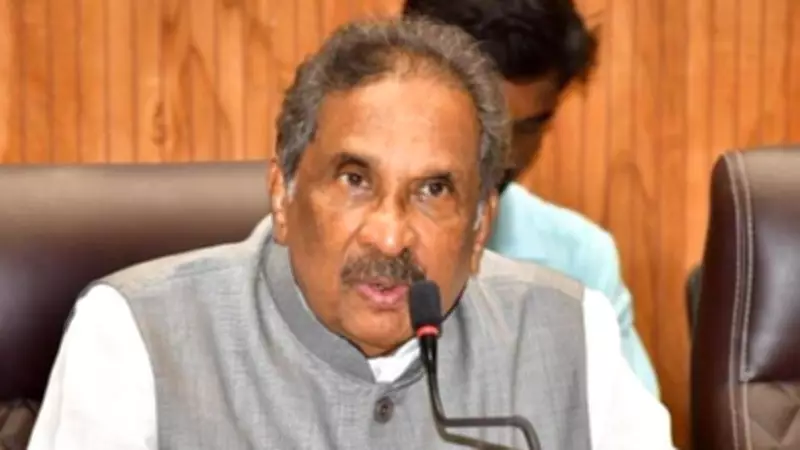
Karnataka Energy Minister Confirms Stable Power Supply Across State
Karnataka's Energy Minister, K.J. George, has officially declared that there is no shortage of power in the state, putting to rest growing concerns among residents and industries about potential electricity disruptions. This announcement comes amid heightened scrutiny over energy management and infrastructure in the region.
Minister's Statement on Power Availability
In a recent address, Minister K.J. George emphasized that Karnataka is currently experiencing a stable and sufficient power supply, with no immediate risks of shortages. He highlighted the state government's proactive measures to monitor and manage electricity distribution, ensuring that all sectors, including residential, commercial, and industrial, receive uninterrupted service.
Key points from the minister's statement include:

- Assurance of adequate power generation and transmission capabilities.
- Commitment to addressing any localized issues promptly to prevent broader impacts.
- Ongoing efforts to enhance grid stability and reduce dependency on external sources.
Background and Context of Power Concerns
The declaration follows reports and public discussions about possible power shortages in Karnataka, driven by factors such as increased demand during peak seasons, maintenance of power plants, and fluctuations in renewable energy output. Minister George acknowledged these challenges but reiterated that the state's energy infrastructure is robust enough to handle current and projected needs.
"We have a comprehensive plan in place to ensure that Karnataka remains power-sufficient," George stated, pointing to investments in renewable energy projects and upgrades to existing facilities as part of long-term strategies.
Implications for Residents and Businesses
This assurance is expected to alleviate concerns among Karnataka's population and business community, who rely heavily on consistent electricity for daily operations and economic activities. Stable power supply is crucial for sectors like manufacturing, IT, and agriculture, which contribute significantly to the state's economy.
Experts note that while short-term shortages can occur due to unforeseen events, the minister's confidence suggests improved planning and resource allocation. However, they advise continued vigilance and public cooperation in energy conservation efforts to support sustainability goals.
Future Outlook and Government Initiatives
Looking ahead, the Karnataka government plans to further strengthen its power sector through initiatives focused on renewable energy integration, smart grid technologies, and public awareness campaigns. Minister George hinted at upcoming projects aimed at boosting capacity and efficiency, though specific details were not disclosed.
In summary, K.J. George's statement serves as a reassurance to all stakeholders in Karnataka, reinforcing the state's commitment to reliable electricity access. As developments unfold, monitoring and adaptive measures will be key to maintaining this positive trajectory in energy management.






