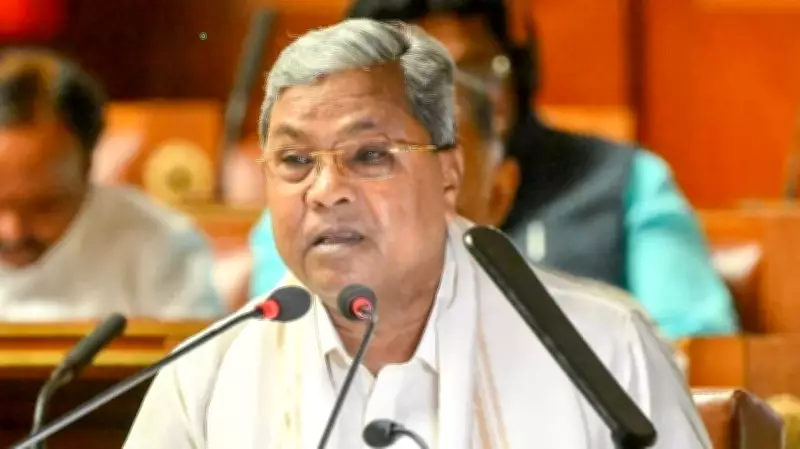
The Karnataka Regional Imbalances Redressal Committee, led by noted economist M Govinda Rao, has recently submitted its comprehensive report to Chief Minister Siddaramaiah, shedding light on a concerning trend in the state's development landscape. The findings reveal a significant increase in the number of backward taluks, which have risen to 177, underscoring persistent disparities that demand immediate attention.
North Karnataka Emerges as a Key Driver of Regional Disparities
According to the committee's analysis, North Karnataka stands out as a primary contributor to the growing problem of regional imbalances. This region, characterized by its unique socio-economic challenges, has been identified as a focal point where backwardness is most pronounced, exacerbating the overall situation across the state.
Key Insights from the Govinda Rao Committee Report
The report, submitted in early February 2026, delves into the multifaceted factors behind this rise in backward taluks. It highlights issues such as inadequate infrastructure, limited access to education and healthcare, and economic stagnation that plague these areas. The committee's work aims to provide a roadmap for addressing these imbalances through targeted policy interventions.

Implications for Karnataka's Development Agenda
This increase to 177 backward taluks signals a pressing need for renewed efforts in regional planning and resource allocation. The state government, under Chief Minister Siddaramaiah's leadership, is now tasked with implementing the committee's recommendations to foster more equitable growth and reduce disparities between different parts of Karnataka.
The report's submission marks a critical juncture in Karnataka's journey toward balanced development, emphasizing the urgency of addressing the root causes of backwardness in affected taluks.