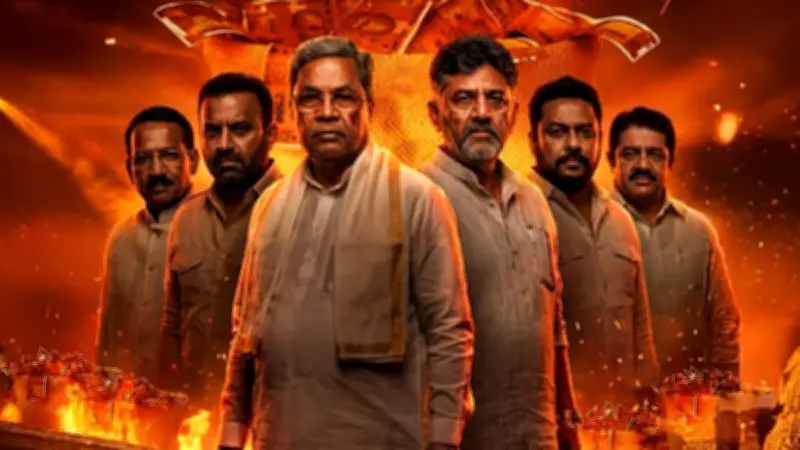
Karnataka BJP Faces Legal Heat Over Allegedly Defamatory Social Media Post
A defamation case has been officially registered against the Bharatiya Janata Party (BJP) in Karnataka, following a controversial social media post that allegedly targeted Chief Minister Siddaramaiah and Deputy Chief Minister DK Shivakumar. The complaint, which has sparked significant political debate, accuses the opposition party of disseminating false and damaging information through its online platforms.
Details of the Controversial Post and Legal Complaint
The case stems from a post shared on the BJP's official social media accounts, which purportedly contained defamatory statements against the state's top leadership. According to sources, the content in question was published on January 30, 2026, and quickly drew ire from the ruling Congress party and its supporters. The complaint alleges that the post was designed to tarnish the reputation of Siddaramaiah and Shivakumar by spreading unverified claims.
Legal experts note that defamation cases in political contexts are becoming increasingly common, especially with the rise of digital campaigning. The filing of this case underscores the growing tensions between the BJP and Congress in Karnataka, a state that has seen fierce electoral battles in recent years. Authorities have confirmed that the complaint is under review, and further investigations may follow to determine the validity of the allegations.

Political Reactions and Implications
The incident has triggered a wave of reactions from political leaders across the spectrum. Supporters of the Congress party have condemned the BJP's actions, calling them a desperate attempt to undermine the state government. "This is not just about a social media post; it's about maintaining dignity in public discourse," remarked a Congress spokesperson.
On the other hand, BJP representatives have defended their right to criticize the government, arguing that the post was based on factual concerns. They have hinted at potential counter-legal actions if the case proceeds, setting the stage for a protracted legal and political showdown. Observers suggest that this case could influence future campaign strategies, as parties become more cautious about their online communications.
Broader Context of Digital Politics in India
This case highlights the evolving landscape of political communication in India, where social media plays a pivotal role. With millions of users engaging online, parties often leverage these platforms to reach voters, but this also raises questions about accountability and misinformation. Instances of alleged defamation via digital channels have been on the rise, prompting calls for stricter regulations and ethical guidelines.
In Karnataka, where political rivalries are intense, such cases are closely watched for their potential impact on public opinion and electoral outcomes. As the legal process unfolds, it will be interesting to see how this incident shapes the discourse around free speech, political criticism, and the boundaries of acceptable online behavior in Indian democracy.