

Karnataka Budget Session Under Scrutiny as Government Considers Curtailment
In a significant development for Karnataka's legislative calendar, indications have emerged that the state government might curtail the ongoing budget session. This potential move has sparked discussions and concerns among political circles, with key figures emphasizing the need for dialogue and consensus.
Speaker UT Khader Emphasizes Consultation with Opposition
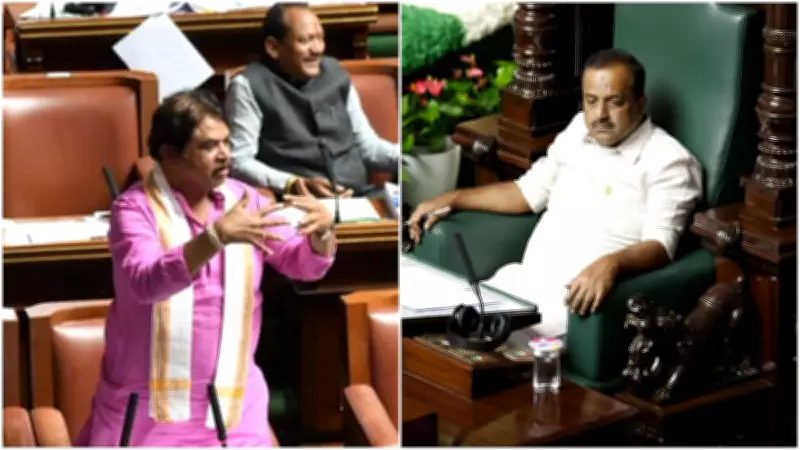
Assembly Speaker UT Khader has clarified that any decision regarding the session's duration will not be made unilaterally. He stated that such a step would only be taken after thorough discussions with the Opposition parties. This approach underscores the importance of bipartisan cooperation in legislative matters, ensuring that all voices are heard before finalizing critical parliamentary schedules.
Khader's remarks highlight a commitment to democratic processes, where the government and opposition work together to navigate complex legislative timelines. His stance aims to maintain transparency and fairness in the Assembly's functioning, which is crucial for upholding the state's governance standards.

Labour Minister Santosh Lad Acknowledges Indications of Curtailment
Adding to the discourse, Labour Minister Santosh Lad admitted to reporters that there are indeed indications the budget session might be curtailed. While he did not provide specific reasons or details, his acknowledgment confirms that the possibility is under active consideration by the state government.
Lad's comments suggest that internal discussions within the government have touched upon this issue, potentially due to factors such as legislative priorities, time constraints, or political strategies. However, he stopped short of confirming any definitive plans, leaving room for further deliberation and negotiation.
Implications for Karnataka's Legislative Agenda
The potential curtailment of the budget session could have wide-ranging implications for Karnataka's political and economic landscape. Key areas that might be affected include:
- Budgetary Approvals: A shortened session may impact the thorough review and passage of the state budget, which is essential for funding various development projects and public services.
- Legislative Debates: Important bills and policies might face reduced discussion time, potentially limiting scrutiny and amendments from both government and opposition members.
- Political Dynamics: This move could influence the relationship between the ruling party and the Opposition, setting a precedent for future sessions and collaborative governance.
As the situation unfolds, stakeholders are closely monitoring the developments, with many calling for clarity and open communication to ensure that any decisions align with the state's best interests.
Looking Ahead: The Path Forward for Karnataka Assembly
With Speaker Khader's assurance of consultations, the focus now shifts to upcoming talks between the government and Opposition leaders. These discussions will be pivotal in determining whether the session proceeds as planned or undergoes modifications.
Observers note that such scenarios are not uncommon in state legislatures, where session durations are often adjusted based on practical considerations and political consensus. However, the emphasis on dialogue, as highlighted by Khader, is a positive step toward maintaining legislative integrity and public trust.
As Karnataka navigates this potential change, the outcome will likely reflect broader trends in state politics and governance, emphasizing the need for balanced and informed decision-making in India's democratic framework.






